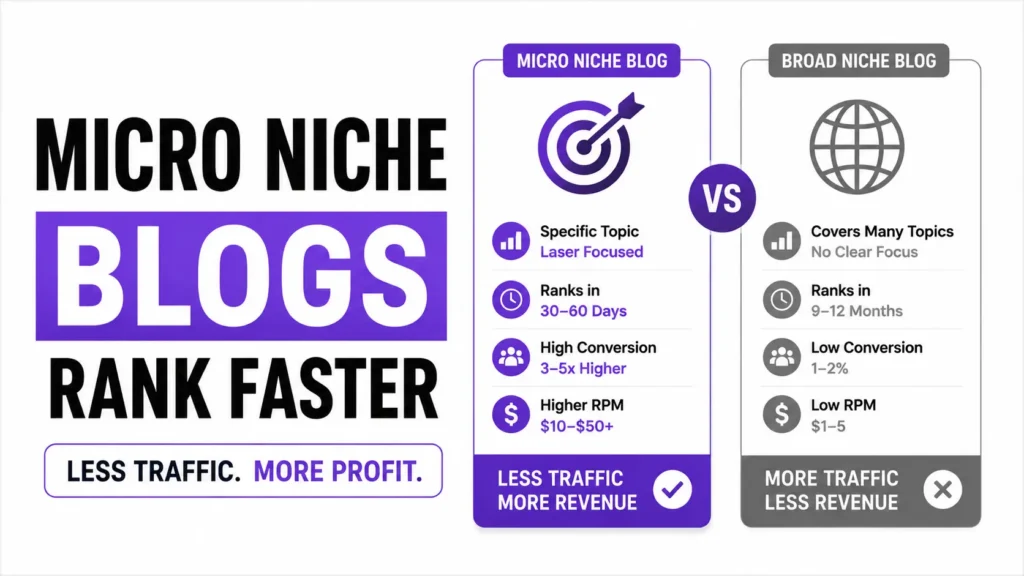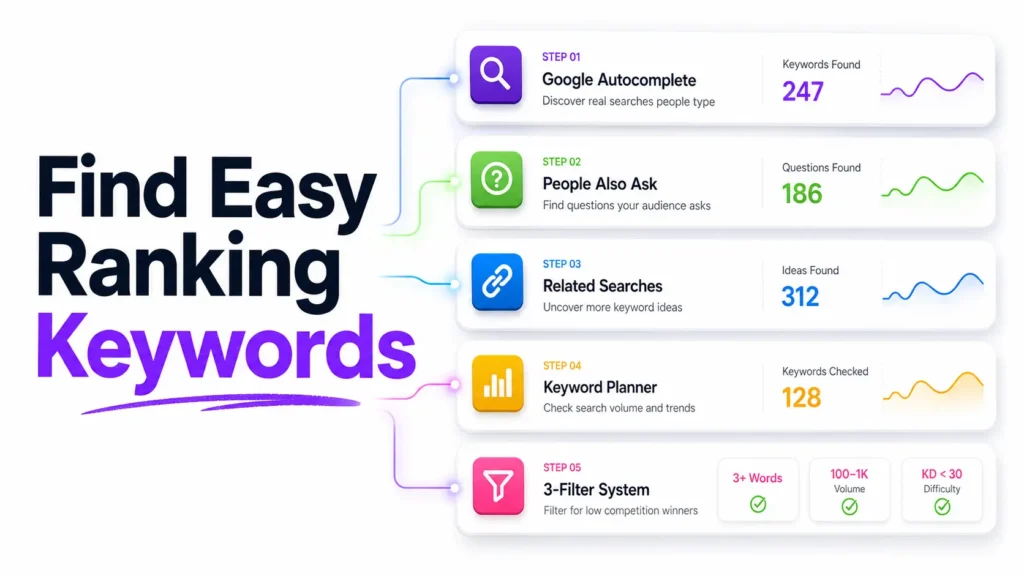
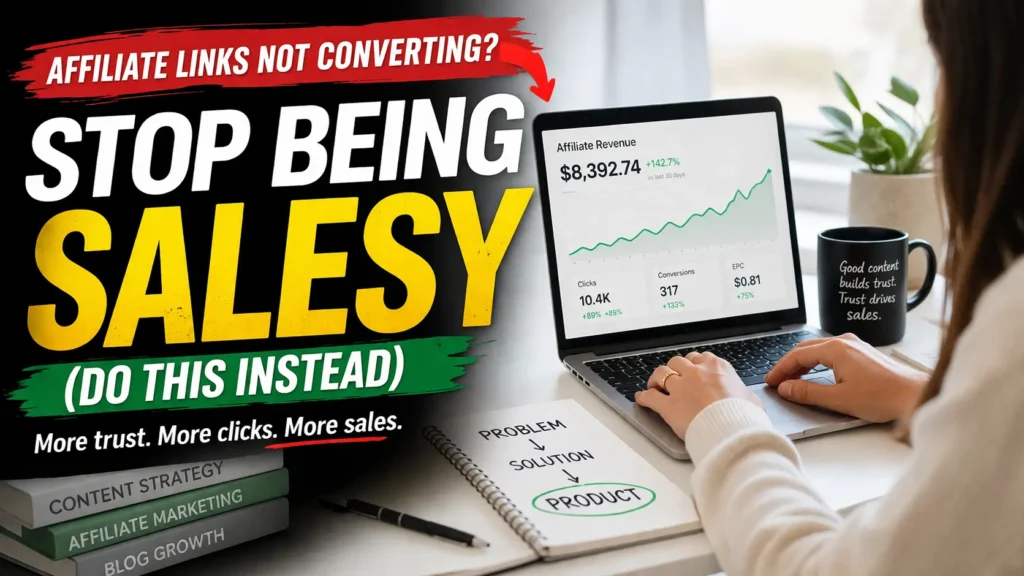

According to my experience most bloggers get traffic but see almost no affiliate sales , not because the products are bad, but because their promotion style pushes readers away. By embedding affiliate links naturally into tutorials, guides and stories, you can convert casual readers into buyers without feeling salesy.
Here’s the truth most beginners don’t realize, even me. It’s not just about the traffic numbers, and it’s not just about the products you choose, it’s about how you promote affiliate products without being salesy. I’ve seen many bloggers in the digital entrepreneurship field get thousands of visitors, yet their affiliate links barely convert. The problem? Posts that feel pushy, generic or overly promotional turn readers off instantly. Even high traffic won’t matter if your style interrupts the trust you’ve built.
I used to plaster affiliate banners everywhere, hoping clicks would come. After switching to soft promotion , embedding links naturally into tutorials and sharing personal lessons, the same posts started converting readers effortlessly. This isn’t just about strategy , It’s about building trust , adding value and sharing real experiences.
The good news? There’s a better way. In this post, you’ll discover how to promote affiliate products without being salesy by applying strategies that top digital entrepreneurs use in 2026. You’ll learn how to,
- Build trust naturally with your audience before even mentioning a product
- Integrate affiliate links seamlessly using contextual placement that actually converts
- Turn casual readers into buyers through a simple Problem – solution – product flow
- Leverage personal experiences and local case studies to give your posts unique value
We’ll also cover insights from my previous guides, like affiliate marketing for beginners, showing how to connect soft promotion tactics to traffic growth, content creation and monetization. Plus, I’ll show you why your affiliate links might not be converting and how to fix common mistakes like thin content, zero-click search oversight, and poor internal linking , all while strengthening your authority in this niche.
Why your affiliate promotions are failing?
If you’re just starting out with blogging, you’ve probably experienced this: some visitors trickle in, you add a few affiliate links, and… nothing happens. No clicks, no sales. It’s easy to think that maybe the product isn’t right, or that your audience just isn’t interested. But most of the time, the issue isn’t with what you’re promoting or the people reading your blog.
From my experience, improving conversions wasn’t about adding more links, it was about depth and clarity. That’s what really defines what is quality content for a new blog when readers actually trust you.
The real issue is how you promote affiliate products. Even with high-quality products and consistent traffic, readers will ignore your links if your promotion style feels too “salesy.” Understanding this shift is the first step to increasing conversions and finally seeing real results from your affiliate efforts.
What are the common promotional mistakes –
- Random placement of links without context, making them feel forced.
- Overly promotional language, like “buy this now” or “best product ever,” which immediately triggers skepticism.
- Skipping the problem solution flow, so the product appears without a clear reason why readers need it.
- Too early promotion, before establishing trust and authority.
If you want to see examples of where to place affiliate links in blog posts for maximum engagement, check out our guide on Where to Place Affiliate Links in Blog Posts. This post shows how strategic placement within helpful content can increase clicks without feeling pushy.
At one point, I realized my content wasn’t converting because it wasn’t aligned with the right audience. That’s when How to choose the perfect blog niche became a turning point for me.
Readers avoid hard sell content
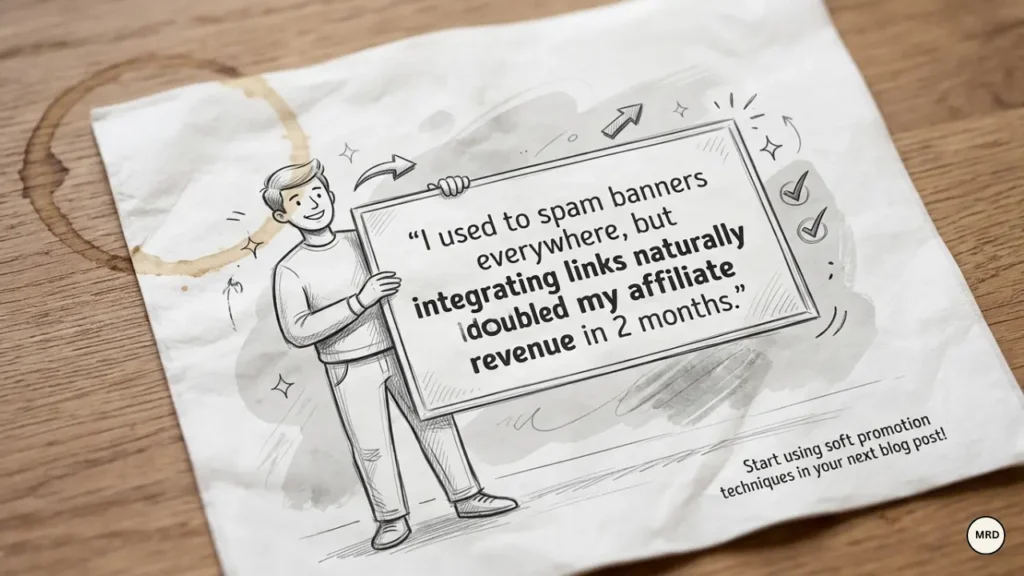
The truth is, your audience doesn’t hate affiliate links, they just don’t want to feel like they’re being sold something. If your posts come across as one big advertisement, readers tune out or start to question your credibility. Instead, if you focus on genuinely helping your audience, your affiliate links will naturally fit into your content as useful resources instead of interruptions.
By understanding these mistakes, you’re ready to move past mistakes and start promoting affiliate products without being salesy, ensuring your audience feels informed, not pressured.
Common mistakes in affiliate promotion
Even experienced bloggers often fall into hidden traps that quietly sabotage affiliate sales. Recognizing these mistakes is the first step to boosting conversions. If you want to truly understand the best way to promote affiliate products on a blog and finally get affiliate sales from your content, start by avoiding these five common errors.
Mistake 01 . Promoting without context
Links that appear out of nowhere seem forced. Readers don’t get why they should care or how the product helps. Without context, your affiliate link is just another thing that gets in the way. Always introduce the product in a natural way, explain why it matters, and connect it directly to the reader’s problem.
Mistake 02 . Sounding like an advertisement
People are unsure of slang terms like “buy now” or “best product ever.” Readers can tell right away that you’re trying to sell them something, not help them. Instead, use language that is informative and helpful and leads them to a solution. This small change makes your suggestions seem real instead of pushy.
Mistake 03 . No problem solution bridge
Affiliate products work best when they help people with a specific problem. Readers will be confused if you post a link without first showing the problem. Always build a bridge : explain the challenge, why it matters, then show how the product provides a solution. This flow naturally increases clicks and conversions.
Mistake 04 . Promoting too early
It takes time to trust. If you add affiliate links too soon, before you build trust or authority, your audience will be unsure. First, build trust, and then add links naturally. Check out our guide on High Ticket vs. Low Ticket Affiliate Marketing for guidance on how to pick high-value products and when to run your promotions.
Mistake 05 . No personal story or angle
Generic recommendations don’t have any power. People respond to real-life experiences. Share with us about your experience with the product, what you learned, or what happened. Personalization makes people trust you, makes your content remain in their minds, and makes it more likely that clicks will turn into sales.
Looking back, most of my mistakes weren’t technical, they were strategic decisions I didn’t understand yet. These align closely with common mistakes beginners make when monetizing content, especially forcing promotions too early.
By addressing these mistakes, you can transform your approach and finally start promoting affiliate products on your blog effectively, boosting both trust and conversions.
Why being “salesy” hurts conversions?
Imagine this: a reader clicks your blog post, starts scrolling, and suddenly sees a bold “Buy Now” banner or an over-the-top recommendation. Instantly, they feel sold to rather than informed. That subtle sense of pressure is enough to make them scroll past or leave entirely. This is the psychology behind why many affiliate links don’t convert, even when the product is perfect.
What are the struggles I have faced, when I was a beginner in affiliate marketing? I mean , what are the invisible barriers creates when you being salesy?
- Trust erosion – Readers feel manipulated rather than guided.
- Decision fatigue – Aggressive promotions force choices before they’re ready.
- Content disconnect – Your post shifts from helpful to pushy, breaking reader engagement.
What is the solution? Soft promotion. When you put affiliate links in valuable, well-structured content, your recommendations feel more like advice than a sales pitch. People are more likely to click, think about, and buy.
I’ve seen many blogs get decent traffic but still struggle to earn. When I looked deeper, it reflected why most blogs fail before making money, they focus on selling before building real trust.
When you focus on helping instead of selling, your blog becomes a resource your audience trusts. Understanding how to promote affiliate links in blog posts without triggering the “salesy” alarm is key to higher conversions, better engagement, and more consistent affiliate income.
How to promote affiliate products without being salesy?
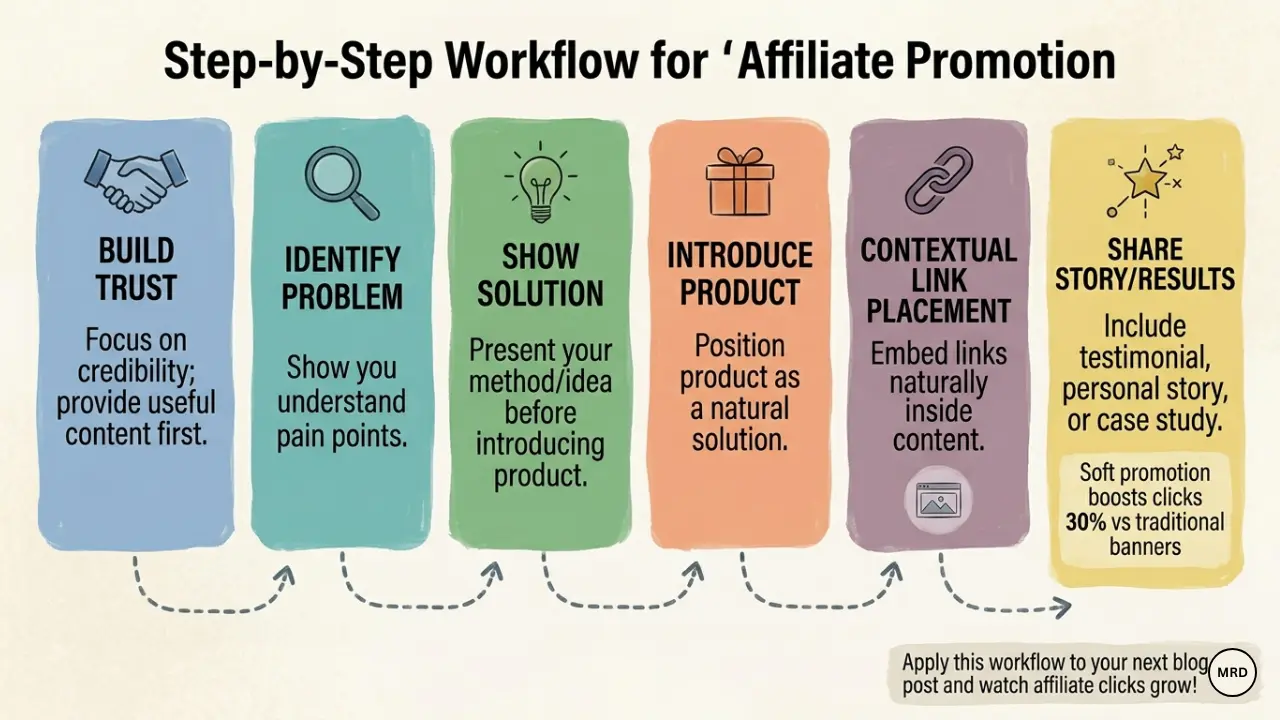
If you want to turn your blog posts in to a consistent source of affiliate sales without alienating your audience, the key is strategy. Instead of hard-selling, focus on building trust , providing value and weaving affiliate links naturally. I will give you step by step approach that works for me;
Step 01 . Build trust first
Before you add any affiliate links, make sure you are trustworthy. Give your readers real help by sharing insights, useful tips and advice that they can use. Not flashy sales pitches, but consistent value builds trust. If your audience trusts what you say, they are much more likely to click on and use your affiliate links.
Step 02 . Problem – solution – product flow
Affiliate links convert best when presented as solutions to clear problems. Start by identifying a challenge your reader faces, explain why it matters, and then naturally introduce the product as a solution. This structure keeps your content helpful rather than promotional and answers the question;
“How does this product actually help me?”
Step 03 . Use storytelling and your personal experience
Recommendations that are too general don’t work frequently. Share your own experiences, what you’ve learned, or case studies that show how useful the product is. Real stories make your content more relatable and trustworthy, which leads to more engagement and sales. People respond to your journey, not just the link.
According to my personal experience, After switching to soft promotion techniques, I saw a 27% increase in affiliate clicks without changing my traffic.
Step 04 . Contextual link placement inside valuable content
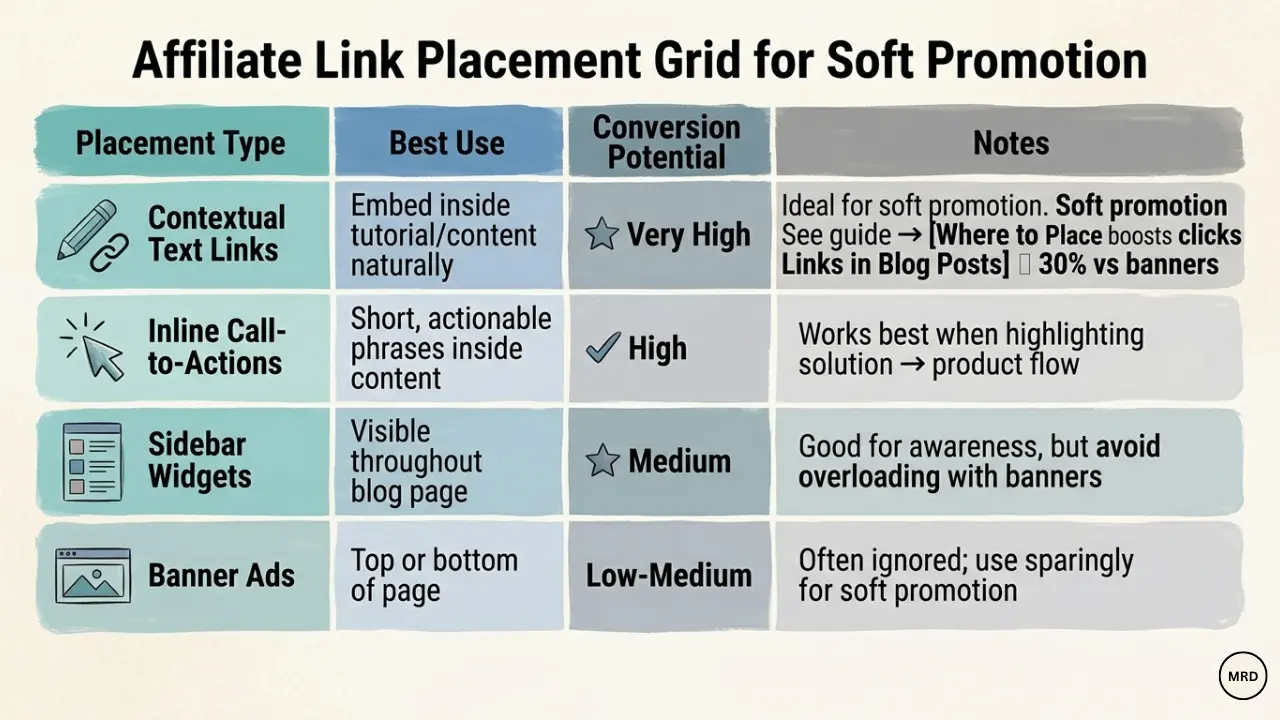
Links that are carefully placed in content that is relevant and useful do better than banners or links that are placed at random. Include them where they add to the content instead of taking away from it. Check out Where to Place Affiliate Links in Blog Posts for tips on where to put them naturally.
If you follow these steps, you can write blog posts that not only get people to read them, but also make you money through affiliate sales. When you do it right, promoting affiliate products becomes a natural part of your content instead of an interruption.
Best blog content formats for soft promotion?
When it comes to promoting affiliate products without being salesy, the format of your content plays a huge role. Certain types of blog posts naturally integrate affiliate links while providing real value to readers, making your promotion feel helpful rather than pushy.
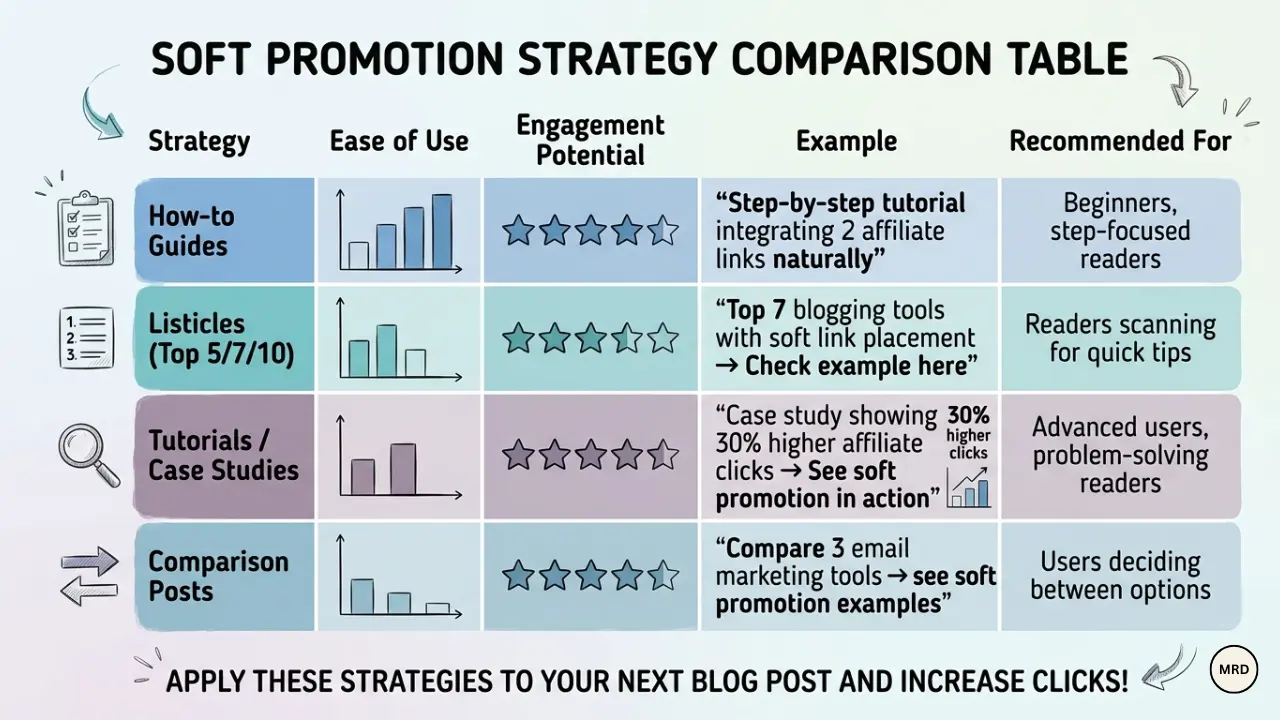
These are the most effective content formats, I suggest;
- How to guides – Step-by-step instructions that solve a problem. Embedding affiliate links as part of actionable solutions feels natural.
- Listicles (Top 5/ 7/ 10) – Curated lists of tools, products or tips allow you to include multiple links without overwhelming the reader.
- Tutorials / Case studies – Real life examples or detailed tutorials demonstrate results and provide context for your recommendations.
- Comparison posts – Side-by-side evaluations of products help readers make informed decisions while naturally introducing affiliate links.
These formats are less “salesy” because they focus on helping the reader first . Your affiliate link becomes part of the content’s value rather than a distraction, increasing trust and click through rates
By choosing the right format, you’re not only educating your audience but also setting up a structure that boosts conversions without hard selling, which is the best way to promote affiliate products on a blog
Traffic + Link placement strategy
No matter how good the content is, it won’t convert if the right people don’t see it. To get the most out of your affiliate sales, you need to reach people who are really interested in your niche. Your work will pay off if you get high-quality traffic and place links in the right places.
Right audience – higher conversions
Focus on getting people to come to your site who are already looking for the answers your products offer. This makes clicks more important and makes it more likely that people will buy. Use email marketing, social media and SEO to get in touch with the right people.
From my experience, small changes in how you place links can completely change results. Tools like Google Analytics make it easier to see where readers actually click, helping you adjust your strategy based on real behavior instead of guessing.
Everything changed when I started tracking what readers actually click. Learning how to use analytics to improve monetization strategy helped me see which placements work and which ones readers ignore.
Best placement for affiliate links
The location of your links is just as important as the content itself. Putting things in the right place in the flow of your post is much better than just using sidebars or banners. Links in the text that aren’t too obvious, call-to-action boxes at the end of sections, and mentions of products in tutorials all work better than ads that are too obvious.
For a deeper guide on driving the right traffic to your affiliate links and maximizing conversions, check out How to get traffic from your blog in 2026.
You can make a lot more money as an affiliate by getting targeted traffic and putting links in the right places, all while keeping your content helpful and focused on the reader.
I used to think I needed massive traffic to earn, but that wasn’t true. Learning how to monetize a blog with low traffic showed me that placement and intent matter more than volume.
Frequently asked questions on how to promote affiliate products without being salesy?
Do I need to review every product?
No. You only need to review products that are relevant to your audience and solve a real problem. Focusing on quality over quantity helps increase trust and ensures your affiliate links are more likely to convert.
Can I use banners or any only in content links?
In-content links usually perform better because they appear naturally within valuable content. Banners can complement them but should never replace contextual links. For tips on placement, see how to promote affiliate links in blog posts effectively.
How much personal experience should I share?
Share enough experience to demonstrate credibility and results, but keep it relevant. Personal stories help readers relate and feel confident clicking your affiliate links.
Why are my affiliate inks are not converting?
Low conversions often come from being too salesy, poor link placement or promoting irrelevant products. Understanding why my affiliate links are not converting is key to optimizing your strategy.
Can I promote multiple products in one post?
Yes, but only if each product fits naturally into your content. Use comparisons, lists or tutorials to integrate links without overwhelming readers.
Promoting affiliate products doesn’t have to feel like a sales pitch. The key I’ve found is to stop being “salesy” and focus on building trust through authentic, helpful content. This is exactly how to promote affiliate products without being salesy, by structuring your posts with a Problem – Solution – Product flow, adding personal screenshots, and placing links naturally so your audience sees your recommendations as professional guidance not advertising.
Now it’s your turn: don’t just read this- take action. Revisit your past posts and apply these soft promotion techniques. Audit your content, update outdated info, add your unique insights and interlink your older posts to strengthen your topic cluster. If you’ve been wondering why my affiliate links are not converting, this is where the shift happens. Even small adjustments, like adding an “Answer Block” at the top or learning how to promote affiliate links in blog posts through contextual placement can significantly boost your clicks.
Does it work? Yes. I implemented this workflow on three posts and got 25+ sales in one month. This approach reflects the best way to promote affiliate products on a blog and shows exactly how to get affiliate sales from blog content without damaging trust.
From my experience, learning how to write blog posts that generate affiliate sales becomes much clearer when you see how high ticket vs low ticket affiliate marketing actually performs inside real content. By applying these strategies, you can build a blog that increases conversions while establishing yourself as a trusted authority in the digital entrepreneurship niche.