
Are you frustrated with your content not earning a dime despite putting in hours of work? You’re not alone. Many beginners struggle with common mistakes beginners make when monetizing content and it’s rarely about lack of effort.
The truth is, even the most dedicated creators often face,
- No clicks – Traffic comes, but no one interacts with your links or ads.
- No income – Ads, affiliate links or products fail to generate revenue.
- Conflicting advice – Endless tips online leave beginners confused about what actually works.
Here’s the good news , most failures are not due to your skill or effort . They come from small but critical mistakes that block your monetization potential.
Here you can discover ,
- The common content monetization mistakes beginners make
- Why these mistakes happen and how to avoid them
- Practical, actionable fixes you can implement today to start earning
Finally , you will have a clear roadmap to fix these mistakes and turn your content into a reliable income source , without guessing or wasting time
Table of Contents content monetization mistakes to avoid
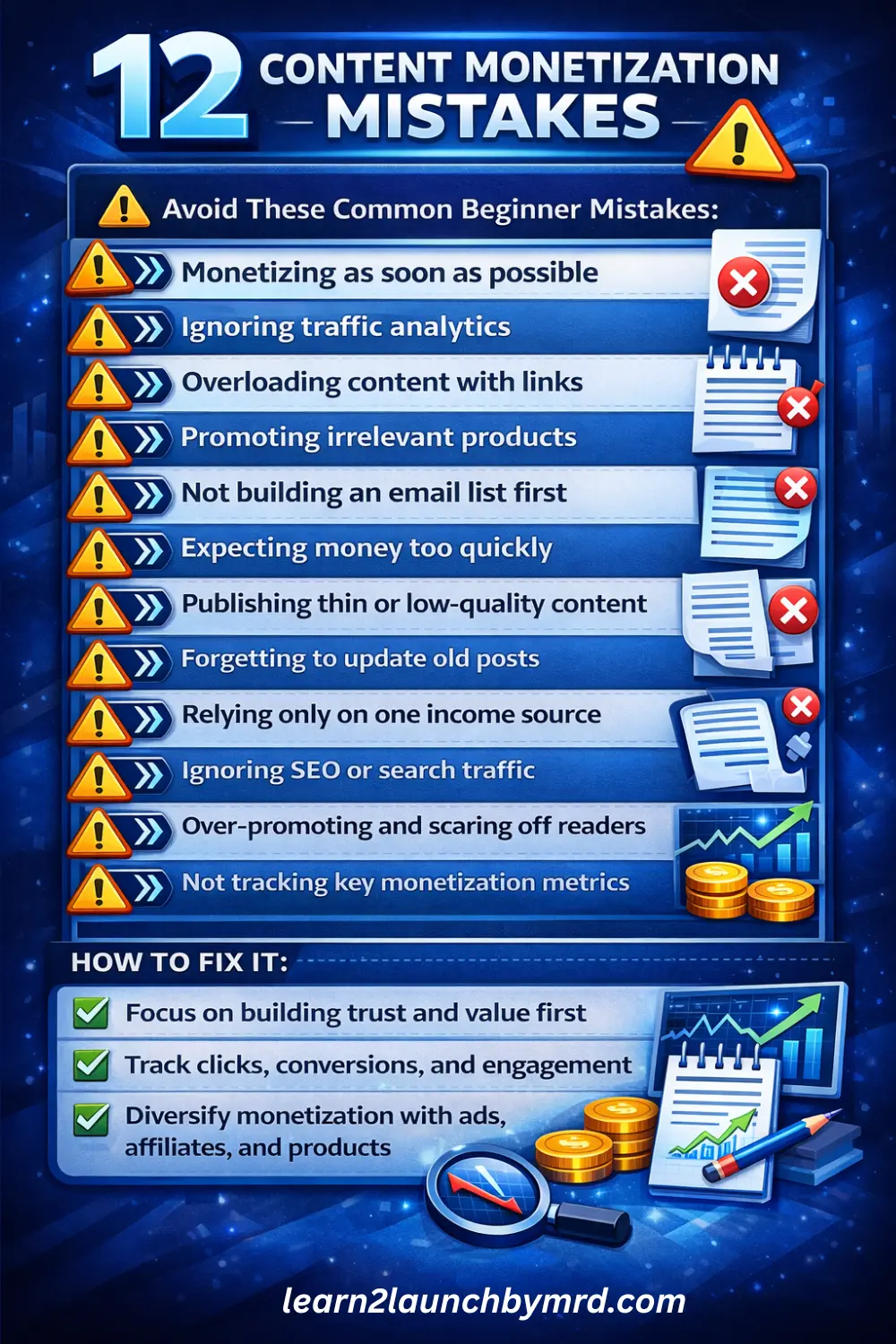
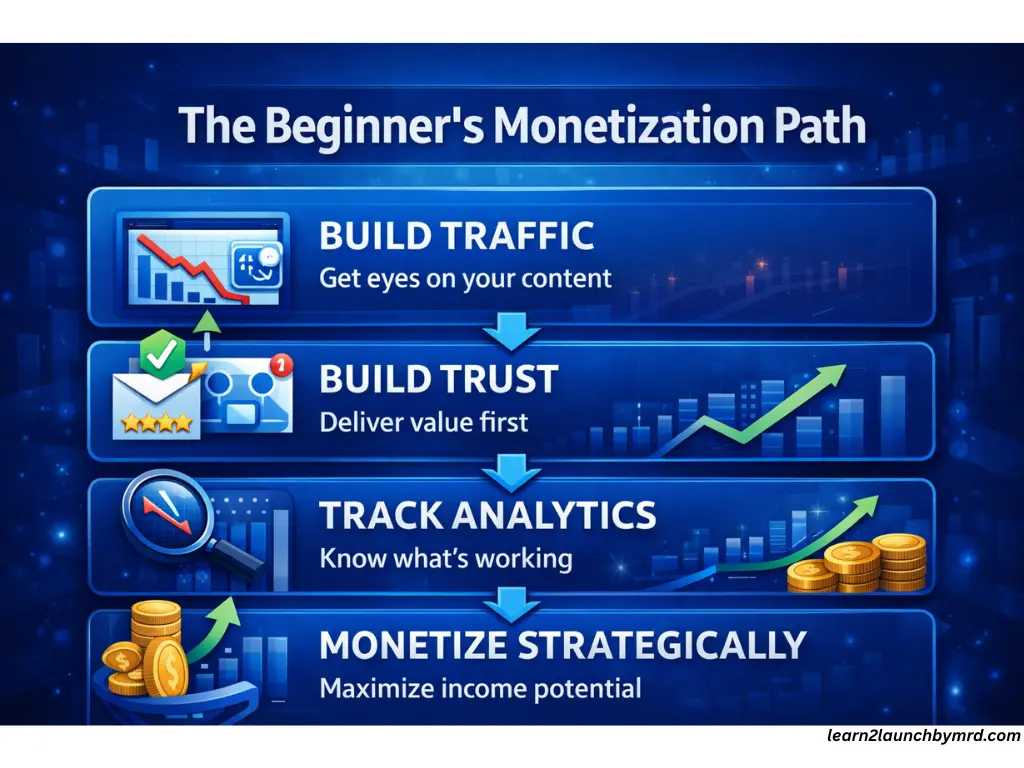
01 . Trying to monetize content before building traffic or trust
One of the common blog monetization mistakes for beginners is trying to make money before earning attention and trust. Many beginners add ads, affiliate links, or promotions to their very first posts – only to see zero results.
Why early monetization kills credibility
When readers land on a blog or profile that pushes monetization too soon, it sends the wrong signal,
- No proof of expertise
- No relationship with the audience
- No clear value provided yet
Instead of helping, the content feels transactional, which lowers engagement and conversion rates.
Trying to monetize without traffic is a common frustration. Learning how to get traffic to a new blog helps beginners focus on visibility and consistency first, creating the conditions needed for monetization to work instead of forcing income too early.
Why monetization actually makes sense
You’re ready to monetize when,
- Your content consistently solves real problems
- Readers engage ( Comment , share , saves )
- Traffic is stable, not random spikes
How to fix ? build value first
Focus on ,
- Value – first, problem solving content
- Clear positioning and consistency
Benchmark to aim for ;
- Steady traffic growth
- Meaningful engagement ( not just views )
- Returning readers
Monetization should feel like a natural next step, not a forced one.
A major reason monetization fails is lack of trust. When beginners focus on links instead of relationships, audiences hesitate. Understanding how to build trust on social media as a beginner shifts the focus toward consistency, honesty and value-first communication elements that make monetization feel natural instead of forced.
02 . Focusing only on traffic instead of conversions
One of the most overlooked content monetization mistakes to avoid is believing that that more traffic automatically means more money. Many beginners celebrate high pageviews or impressions, yet see little to no income.
Why views don’t equal money
Only the arrival of people is indicated by traffic. When users act, monetization takes place. Traffic is still a vanity metric in a lack of clicks, sign-ups or purchases.
Common beginner thinking –
- “If I get more views, income will follow”
- “My content is working because traffic is growing”
In reality, traffic without action produces Zero revenue.
The beginner obsession with vanity metrics
Beginners often focus on ,
- Pageviews
- Follower count
- Impressions
These numbers look impressive but don’t reflect buying intent or trust.
How to fix this – think in conversion , not views
Shift your mindset to conversion focused metrics ,
- Click Through Rates (CTR)
- Email sign – ups
- Affiliate link clicks
Create intent based content that ,
- Solves a specific problem
- Leads naturally to a next step
- Matches the reader’s stage of awareness
When conversions improve, monetization follows, even with less traffic.
Low monetization is often a symptom, not the problem itself. When clicks and conversions don’t happen, the real issue is usually engagement. Understanding why people do not engage with your content reveals gaps in clarity, relevance or audience connection , factors that directly affect monetization success.
03 . Choosing the wrong monetization method for the audience
One of the most damaging content monetization mistakes beginners make is selecting monetization methods without understanding their audience. Beginners often copy what others are doing ads, affiliate links or digital products without checking if their audience actually needs them.
Common beginner mistakes
- Running ads too early – Low traffic means minimal earnings and a poor user experience.
- Promoting irrelevant products – Recommendations don’t match the audience’s real problems.
- Misaligned content – Educational content paired with aggressive selling reduces trust.
When monetization doesn’t match audience intent, even good content fails to convert.
Why alignment matters
Solutions, not links, are what people purchase. If a particular issue isn’t resolved by your monetization, readers will either ignore it or, worse, discontinue trust in your content completely.
How to fix this – audience problem matching
Before monetizing , ask –
- What problem is my audience trying to solve?
- At what stage are they – learning, comparing or ready to buy?
A simple monetization selection framework
- early stage audience – Email lists, free resources, soft affiliate links
- Problem aware audience – Relevant affiliate products
- Solution ready audience – Digital products or services
When monetization fits the audience, conversions feel natural , not forced.
Monetization issues sometimes begin at the foundation level. Learning how to create a WordPress blog that makes money ensures the right setup, structure, and tools are in place—preventing technical and strategic mistakes that limit monetization later.
04 . Overloading content with affiliate links and ads
This is one of the mistakes that beginners are not aware of until readers subtly lose trust in them. The content begins to feel more like a sales page than a useful resource when there is an affiliate link or promotion in every paragraph.
Why overpromotion reduces trust
Readers can sense intent. When content feels overly promotional –
- Advice feels blast
- Recommendations lose credibility
- engagement drops
Instead of helping, the content triggers skepticism.
How google and readers react to spammy content?
It’s not just readers. Search engines notice too ,
- High bounce rates signal poor user experience
- Thin, link – heavy content struggles to rank
- Trust signals decline over time
Both humans and algorithms prefer content that educates first , sells second.
How to fix this – Be intentional , not excessive
Focus on –
- Strategic link placement where it adds real value
- Explaining why a product helps before linking
A simple rule to follow –
- Prioritize content over offers
- Use a healthy content to offer ratio
When promotions feel natural and helpful, readers are far more likely to click and trust you long term.
Monetization issues rarely exist alone. They often stem from deeper social media habits that push people away before income even becomes possible. Recognizing patterns highlighted in 10 social media mistakes beginners must avoid helps creators fix visibility, engagement and trust problems that silently block monetization opportunities.
05 . Ignoring analytics and monetization data
One of what of biggest mistakes in content monetization is relying on assumptions instead of data. Many beginners guess what works, change strategies randomly, and hope something clicks , without ever measuring real performance.
Guessing instead of measuring
Without analytics, it’s impossible to know ,
- Which content drives revenue
- Which links get clicks
- Why traffic doesn’t convert
Guesswork leads to repeated mistakes and wasted effort.
Not tracking affiliate clicks or conversions
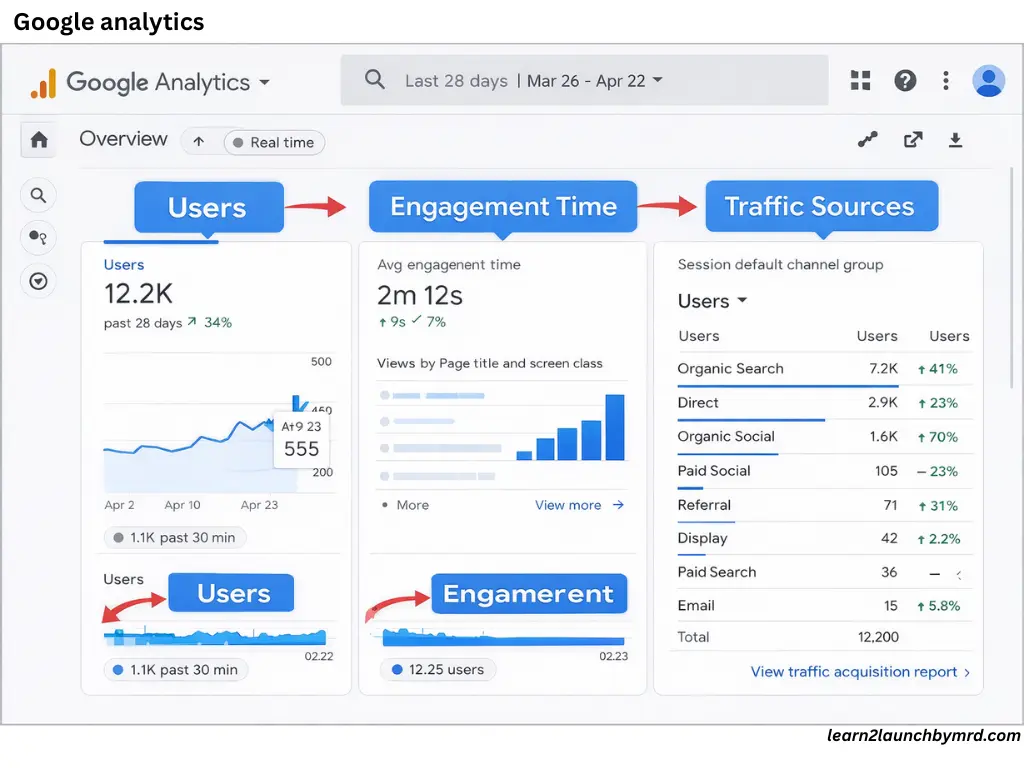
A common beginner problem is placing affiliate links but never tracking,
- Click-through rates
- Conversion rates
- Revenue per post
Without this data, optimization becomes impossible.
Fix this – adopt a data driven mindset
Start simple. You don’t need advanced tools, just the right focus.
Key beginner metrics to track ,
- Pageviews and traffic sources
- Click – through rate (CTR)
- Affiliate clicks and conversions
- Time on page
Optimize based on insights
Use data to,
- Improve underperforming content
- Strengthen high-converting posts
- Remove what doesn’t work
Monetization becomes predictable and starts to feel like luck when decisions are based on data.
Affiliate income often fails because beginners jump in without strategy. Understanding affiliate marketing for beginners helps creators align products with audience needs, place links naturally, and avoid the trust-breaking mistakes that reduce conversions.
06 . Creating content without monetization intent
Because their content has no direction, many beginners put in a lot of effort but still make no money. Unplanned, random posting is a silent monetization killer. Income becomes accidental rather than intentional when content isn’t linked to a result.
The problem with random posting
Without monetization intent ,
- Without monetization intent:
- Readers consume but don’t act
- Traffic grows, but income doesn’t
This creates a disconnect between effort and results.
No clear link between content and income
Instead of creating content that supports a monetization path, beginners often create content that they enjoy. Even excellent posts don’t make money if there isn’t a clear connection.
How to fix – map content to monetization
Every piece of content should serve a purpose.
Content – Monetization mapping means –
- Educational content builds trust
- Problem-aware content introduces solutions
- Conversion-focused content drives clicks or sign-ups
Plan with intent , not guesswork
Use intent based content planning,
- Informational – builds authority
- Commercial – Supports monetization
- Transactional – generates income
When content has intent, monetization becomes structured , not random.
Having followers doesn’t automatically mean income. Many beginners confuse visibility with monetization. Understanding how to turn social media followers into customers bridges the gap between attention and action by aligning content, trust and offers into a clear conversion path.
07 . Relying on only one monetization source
Even small changes can quickly wipe out earnings when all revenue comes from a single source. Relying just on one source of income is one of the riskiest mistakes beginners make.
The risk of a single income stream
Relying on only one monetization method creates,
- Unstable income
- Limited growth potential
- High vulnerability to platform changes
Algorithm updates, policy changes, or account issues can instantly reduce revenue.
Platform dependency problems
Beginners often depend entirely on,
- Ad networks (Google ads , Mediavine )
- One affiliate program
- A single social media platform
When that platform changes the rules, monetization suffers, without warning.
how to fix this – Monetization layering
Smart creators build multiple income layers that support each other
A simple layering model –
- Ads – Passive income from traffic
- Affiliates – Solution-based recommendations
- Email – Direct relationship with the audience
- Product – High margin, scalable income
Stability is generated by layered monetization. When one source declines, others step in to make up for it, transforming content from a fragile revenue stream into a strong, long-term asset.
Some monetization struggles come from unstable traffic sources. Platforms like Pinterest offer consistent, intent driven visitors when used correctly. Learning how to drive website traffic from Pinterest helps beginners reduce dependency on social algorithms and create a stronger foundation for long term monetization.
08 . Copying what other creators ,monetize without understanding why
Copying successful creators is tempting. When you see them advertising products, tools, or courses, you assume that doing the same will have the same effect. However, one of the quickest ways to fail at monetization is to copy without context.
Why copying falls
What works for others may not work for you because ,
- Their audience is at a different stage
- Their niche has different pain points
- Their trust level is much higher
Blindly copying ignores these critical differences.
Every audience is unique
Two creators can cover similar topics but have,
- Different audience awareness levels
- what problem it solves
- Different expectations
Monetization works only when it matches your audience, not someone else’s.
How to fix this – reverse engineer , don’t copy
Instead of copying links , analyze ,
- Why they promote that product
- What problem it solves
- Where it fits in their content funnel
Then adapt the logic , not the lactic,
- Match offers to your audience’s needs
- Adjust timing and messaging
- Test before scaling
Successful monetization comes from understanding, not imitation.
09 . Not building an Email list before monetizing
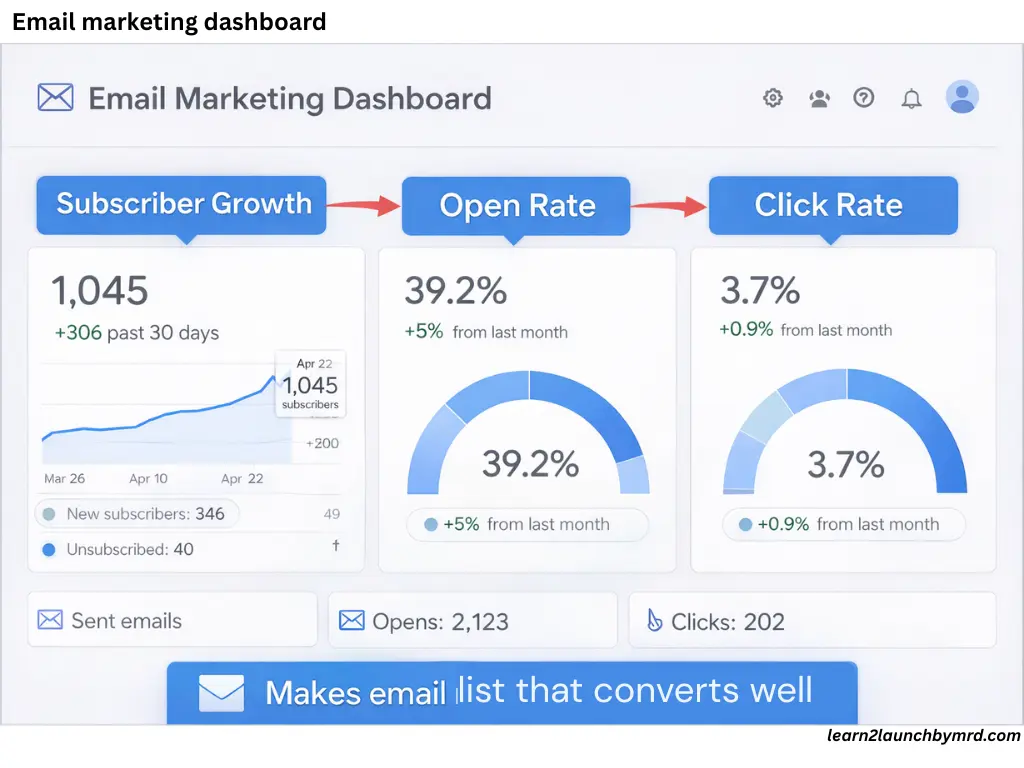
One of the most overlooked blog monetization mistakes for beginners is trying to make money without owning an audience. Many beginners rely entirely on social media or search traffic and expect it to convert instantly, but it rarely does.
Why social traffic doesn’t convert well
Social and search traffic ,
- Is cold and distracted
- Can disappear overnight due to algorithm changes
- Rarely builds long-term relationships
Without an email list, you’re constantly starting from zero.
Losing long term income opportunities
When you don’t collect emails,
- You lose repeat visitors
- You miss follow-up opportunities
- You sacrifice predictable income
This makes monetization unstable and stressful.
Fix this – email first monetization strategy
Before selling anything, focus on,
- Capture email early
- Building trust through consistent value
Use simple lead magnets like,
- Checklists
- Short guides
- Free templates
An email list turns traffic into assets and assets into income.
Beginners who rely only on direct sales miss long-term opportunities. Using strategies like how to use lead magnet with social media traffic allows creators to turn casual viewers into subscribers first, building trust before monetization. This approach reduces pressure and increases lifetime value instead of chasing quick conversions.
Many beginners regret not starting email early, usually after traffic disappears. Understanding how to build an email list for beginners turns temporary visitors into long-term assets, making monetization more predictable and less dependent on platforms or algorithms.
10 . Expecting fast money instead of sustainable growth
Many beginners fail because they expect instant results. This mindset leads to frustration, burnout, and quitting too early , before monetization has time to work.
Unrealistic expectations
Content monetization is not ,
- A get rich quick systems
- Instant passive income
- guaranteed in weeks
Expecting fast money creates pressure and poor decisions.
Burnout and early quitting
When results don’t appear quickly,
- Motivation drops
- Content quality suffers
- Consistency breaks
This is where most creators give up.
Monetization struggles often begin at the idea stage. Random topics rarely convert. Learning how to find content ideas for beginners for free helps creators focus on real audience problems, making content easier to monetize and reducing wasted effort on low intent topics.
Creating more content isn’t always the solution. Beginners often burn out trying to monetize faster. Knowing what is content repurposing and how does it work allows creators to maximize reach and revenue from existing content instead of constantly starting from scratch.
Fix this – Understand monetization timelines
Successful creators think long term,
- Months , not days
- Systems , not hacks
- Progress , not perfection
The compound content affect
Each piece of content ,
- Builds authority
- Improves trust
- Increases future earnings
Sustainable monetization rewards patience and compounds over time.
Many beginners quit monetization too early because consistency feels exhausting. Learning how to stay consistent on social media without burnout helps creators avoid the cycle of over posting, underperforming, and giving up. Sustainable consistency is what allows monetization strategies to compound over time instead of collapsing under pressure.
11 . Publishing low quality content just to monetize faster
Prioritizing speed over quality is one of the most damaging content monetization mistakes made by beginners. Many publish thin content that adds little real value in a hurry to make money, and this strategy quickly backfires.
Thin content issues
Low quality content often,
- Repeat generic advice
- Lacks deapth or real examples
- Exists only to place ads or affiliate links
Readers feel it immediately and they leave.
Google helpful content impact
Google’s Helpful Content system rewards,
- People first content
- Expertise and clarity
- Real problem solving
Thin monetization first content,
- Struggle to rank
- Loses trust
- Fails to convert
The fix – depth over volume
Instead of publishing more, focus on,
- Fewer but stronger posts
- Clear explanations
- Actionable insights
Authority building content
High quality content ,
- Builds credibility
- Earns backlinks naturally
- Actionable insights
Quality attracts income , volume alone doesn’t
Many beginners rush monetization without first improving content quality. Visuals play a huge role in trust and engagement, especially on social platforms. Learning how to use Canva for social media content creation helps you design clear, professional posts that look credible, communicate value quickly and reduce one of the most common mistakes publishing content that looks rushed or unpolished.
12 . Not updating old content that could monetize better
Many creators ignore opportunities for hidden income instead of chasing new posts. Ignoring older content that already receives traffic is one of the biggest errors in content monetization.
Forgotten monetization opportunities
Old posts often,
- Rank on Google
- Bring consistent visitors
- Have zero monetization
This is lost income waiting to be unlocked,
Old posts with traffic , but no income
Common problems include,
- No affiliate links
- Outdated recommendations
- Weak or missing Call To Actions (CTA)
Traffic without optimization equals wasted potential.
How to fix this – Content refresh strategy
Regularly update,
- Headlines and intros
- Examples and tools
- Monetization placements
Monetization optimization checklists
Before publishing new content, ask ,
- Does this post solve a monetizable problem?
- Are offers helpful and relevant
- Is the CTA clear and natural
Updating old content often converts faster than creating new posts.
What successful creators do differently
Many beginners fail because they try to shortcut success. One of what are the biggest mistakes in content monetization is chasing quick hacks instead of building a system. Successful creators approach monetization differently, they focus on strategy, testing, and long-term audience trust.
Systems over hacks
Viral trends and guesswork are not used by top creators. They create practical methods for producing, marketing, and making money from content. Each email, video, and post serves a purpose and is part of a larger monetization strategy.
Testing and optimization
Instead of assuming what works, successful creators,
- Track clicks, conversions and engagement
- A/B test headlines , CTAs and link placements
- Update content regularly based on analytics
This approach ensures their monetization efforts improve over time, rather than stagnating.
Audience first mindset
Profit comes naturally when creators put their audience first,
- Solve real problems
- Offer products or services that match needs
- Build trust with consistent value
Building authority and trust (EEAT)
By prioritizing expertise, experience, authority, and trustworthiness,
- Readers return and engage
- Monetization becomes predictable
- Platform like google reward the content
Successful creators turn monetization into a long term , stable strategy , while beginners often stumble over the same common mistakes.
How to avoid these content monetization mistakes
Simple, targeted actions are the first steps towards avoiding common monetization mistakes. Trying to do everything at once often overwhelms beginners; however, small, steady steps are the most effective.
Step by step action plan
- Choose one monetization method – Start with ads, affiliate links or a small product, don’t overload yourself.
- Track one key metric – Focus on clicks, conversions or email sign-ups before analyzing multiple metrics.
- Optimize one post at a time – Pick a high-traffic or high-potential post, improve its links, CTAs and content quality.
Additional tips for success
- Use analytics to guide every decision
- Focus on audience needs first, monetization second
- Implement improvements consistently, not all at once
By following to this strategy, you will establish a strong base, correct errors as they develop, and slowly transform your content into a reliable source of revenue.
Take one action today – even one improvement per day compounds into long-term results.
Frequently asked questions on common mistakes beginners make when monetizing content
What are the most common mistakes beginners make when monetizing content?
Beginners often try to monetize too early, focus only on traffic, overload content with affiliate links, or ignore analytics. Recognizing these mistakes is key to building a sustainable income.
How can I avoid content monetization mistakes beginners make ?
Avoid mistakes by tracking performance, optimizing one post at a time, aligning monetization methods with your audience and prioritizing trust and quality over quick income.
Why is tracking analytics important for monetization?
Not tracking clicks, conversions, and engagement is one of the biggest content monetization mistakes to avoid . Analytics helps you identify high-performing posts and optimize revenue.
What are the biggest mistakes in content monetization?
Some of the biggest mistakes include relying on a single income source, expecting fast money, publishing low quality content and not updating old posts for better monetization.
How can Beginners fix blog monetization mistakes?
Focus on building trust, using analytics, optimizing content gradually and testing different monetization methods. Even small, consistent improvements turn mistakes into long term revenue.
Fix the mistakes , Fix your monetization
Making mistakes is a normal part of any monetization journey. Even experienced creators face setbacks, but understanding Common mistakes beginners make when monetizing content is the first step toward consistent growth. Awareness allows you to identify pitfalls like over-promoting , ignoring analytics or relying on a single income source and take corrective action before they harm your results.
For instance, a beginner blogger saw an increase in income in a matter of weeks after updating previous posts with appropriate affiliate links and monitoring conversions. By prioritizing value-first content before monetizing, another creator increased trust and naturally increased engagement and clicks.
The key is patience and strategy
- Track metrics and optimize one post at a time
- Layer monetization methods carefully
- Build authority and trust before expecting big results
Many monetization failures happen because beginners follow scattered advice. Understanding how to monetize a blog for beginners provides a structured approach , helping creators avoid common traps like poor timing, wrong methods, and unrealistic expectations.
By addressing these content monetization mistakes to avoid , you transform setbacks into learning opportunities. With consistent effort, data-driven decisions, and an audience-first mindset, your content can become a reliable and sustainable income source.