
When I first started learning about affiliate marketing, I felt overwhelmed. Everyone online made it sound simple but no one explained it in a way that actually made sense. That’s why I created this affiliate marketing for beginners complete guide to explain things clearly , honestly and without confusing language
So , what is affiliate marketing and how does it work?
Basically, affiliate marketing is the practice of earning a commission by promoting recommending goods or services. The product is not made by you. Payments are not handled by you. You avoid dealing with complaints from clients.
This is what really happens ,
- A company gives you an affiliate link
- You share it through a blog, video or social media
- Someone clicks and buys
- You earn a commission
If you are asking , How to start affiliate marketing as a beginner, I want you to know this: you don’t need special skills or a big audience to begin.
I personally believe affiliate marketing with a blog for beginners is one of the most reliable ways to build long term income, because blogs create trust over time.
And yes, why most beginners fail in affiliate marketing isn’t because it doesn’t work it’s because they follow shortcuts instead of learning the basics.
Table of contents – Affiliate marketing for beginners complete guide
Why start affiliate marketing as a beginner?
Everything can seem difficult when you’re first starting an online business. There are a lot of websites, advertisements, funnels and products. For this reason, a lot of people decide to start with affiliate marketing. The majority of the hard work has been removed, allowing you to focus on understanding how online income actually works.
If you are wondering how to start affiliate marketing as a beginner , here’s why this model makes sense,
- Low cost to start – You don’t need a big investment. A simple blog or even a free social media account is enough to begin learning and earning.
- No product creation – You don’t have to build, store, ship or support a product. The company handles everything. Your role is only to recommend.
- Beginner friendly skills – You learn useful skills like content writing, traffic generation and trust building skills that work in any online business.
- Scalable over time – What starts as a side hustle can grow into a steady income if you stay consistent and patient.
Affiliate marketing allows beginners to promote products that already have demand and focus on helping the appropriate audience in finding them, rather than spending months creating a product that could fail to sell.
Affiliate marketing for beginners : A simple step by step roadmap
Many beginners quit affiliate marketing because everything feels overwhelming. Too much advice, too many tools, and no clear starting point. The truth is , affiliate marketing works best when you keep it simple and follow one clear path instead of trying to do everything at once.
One of the biggest mindset shifts in affiliate marketing is learning patience. Early income psychology for beginner bloggers explains why slow starts are normal and how unrealistic expectations cause people to quit too soon. Affiliate income compounds but only for those who stay consistent long enough to see results
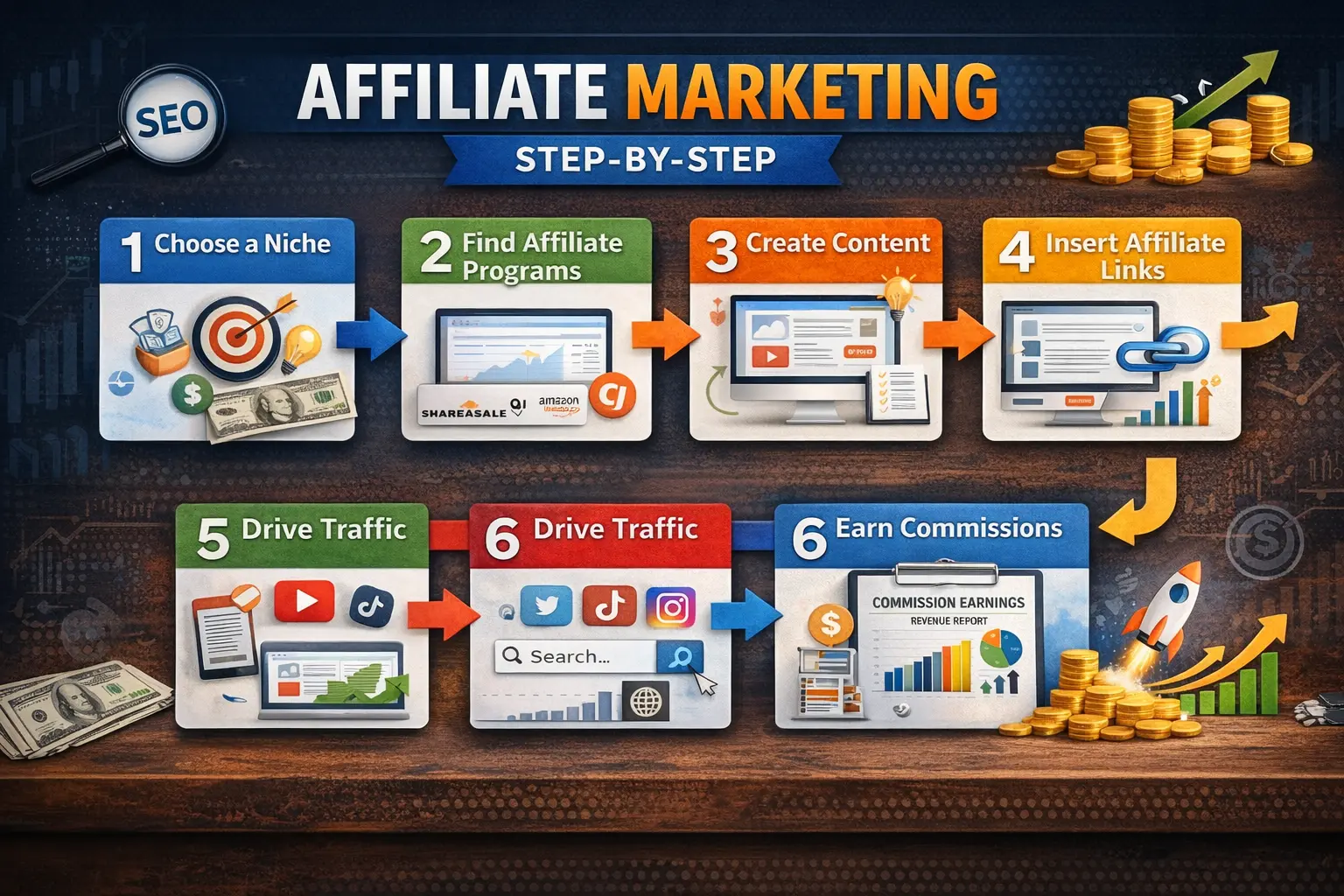
This is beginner friendly roadmap to get from zero to your first affiliate commission,
Step 01 . Choose one niche
Pick a topic you can stay consistent with. It should solve real problems and have products people already buy like tech, health, personal finance, online learning or digital tools.
For example ,
- “ Fitness ” is broad and competitive
- “ Weight loss for new moms ” is specific and relatable
When you pick a focused niche, you not only make your audience feel understood, but you also make your marketing easier because you can target the right products and content.
Step 02 . Start with one platform
A blog is one of the easiest and most stable ways to begin. It gives you control over your content, traffic and income. Social media can help later, but it shouldn’t be your main focus at the start.
Step 03 . Join beginner friendly affiliate programs
Programs like Amazon Associates, ShareASale or CJ Affiliate are easy to join and perfect for learning how affiliate links work.
Start with products you actually use. Your honesty builds trust. People can sense when you’re recommending something only for the commission.
Step 04 . Create helpful content , not sales content
Focus on helping people with first tutorials, comparisons and real solutions. Trust comes before commissions.
- Blog posts that answer questions or review products
- YouTube videos showing how a product works
- Instagram or TikTok posts with tips and mini demos
- Email newsletters that guide your audience
Step 05 .Add your affiliate links naturally
Insert your affiliate links where they make sense in reviews, tutorials or recommendations. Don’t force them. The goal is helping your audience, not just selling.
Step 06 . Bring the right traffic
Use SEO, Pinterest or simple promotion. You don’t need ads. Targeted traffic always works better than random clicks.
Step 07 . Learn and improve
Your first earnings may be small and that’s normal. Affiliate marketing grows over time as your content and experience improve.
This path keeps affiliate marketing realistic, focused and sustainable, exactly what beginners need to succeed long term.
Many beginners struggle not because affiliate marketing doesn’t work, but because links are placed randomly. Knowing where to place affiliate links in blog posts can dramatically improve clicks without harming trust. Strategic placement inside helpful sections, comparisons and natural recommendations performs far better than stuffing links everywhere.
Can you really make money online?
You’ve definitely seen different opinions if you’ve checked up ways to make money online. According to some, it can change one’s life. Some think it’s a scam. Therefore, it’s common for people to ask if you can really earn money online without creating your own products.
When I first started, I asked the same question.
For beginners, affiliate marketing makes sense in this situation. It’s one of the most practical and easy ways to earn money online, even if you lack the cash you need or expertise in technology.
Confusion is still common. A lot of beginners fail because they don’t know where to begin, not because affiliate marketing doesn’t work.
Questions normally like ,
- Should I choose a niche first ?
- Should I join affiliate programs right away?
- Should I learn how to start a blog for beginners before promoting links?
If affiliate marketing feels harder than expected, you’re not alone. In fact, understanding why most blogs fail before making money helps beginners avoid common traps like quitting too early, chasing trends or skipping fundamentals. Most failures come from impatience, not lack of potential.
What is affiliate marketing
Promoting someone else’s goods or services and getting paid when a sale comes via your special link is known as affiliate marketing. The product is not made by you. Payments are not handled by you. Refunds are not something you deal with. Your only task is to help the right people in finding the right answer.
think of it this way, you make a helpful recommendation and you get paid when someone purchases it as a result.
For example , If you write a blog post about the “best wireless headphones” and include affiliate links, you earn a commission each time a reader makes a purchase. This simple model is why affiliate marketing for beginners is so popular.
Best niches for affiliate marketing beginners
The crucial question is, which niches will be profitable in 2025? Selecting the right niche may help you succeed or make you to struggle. These are a few of the most successful categories that beginners can use at the moment,
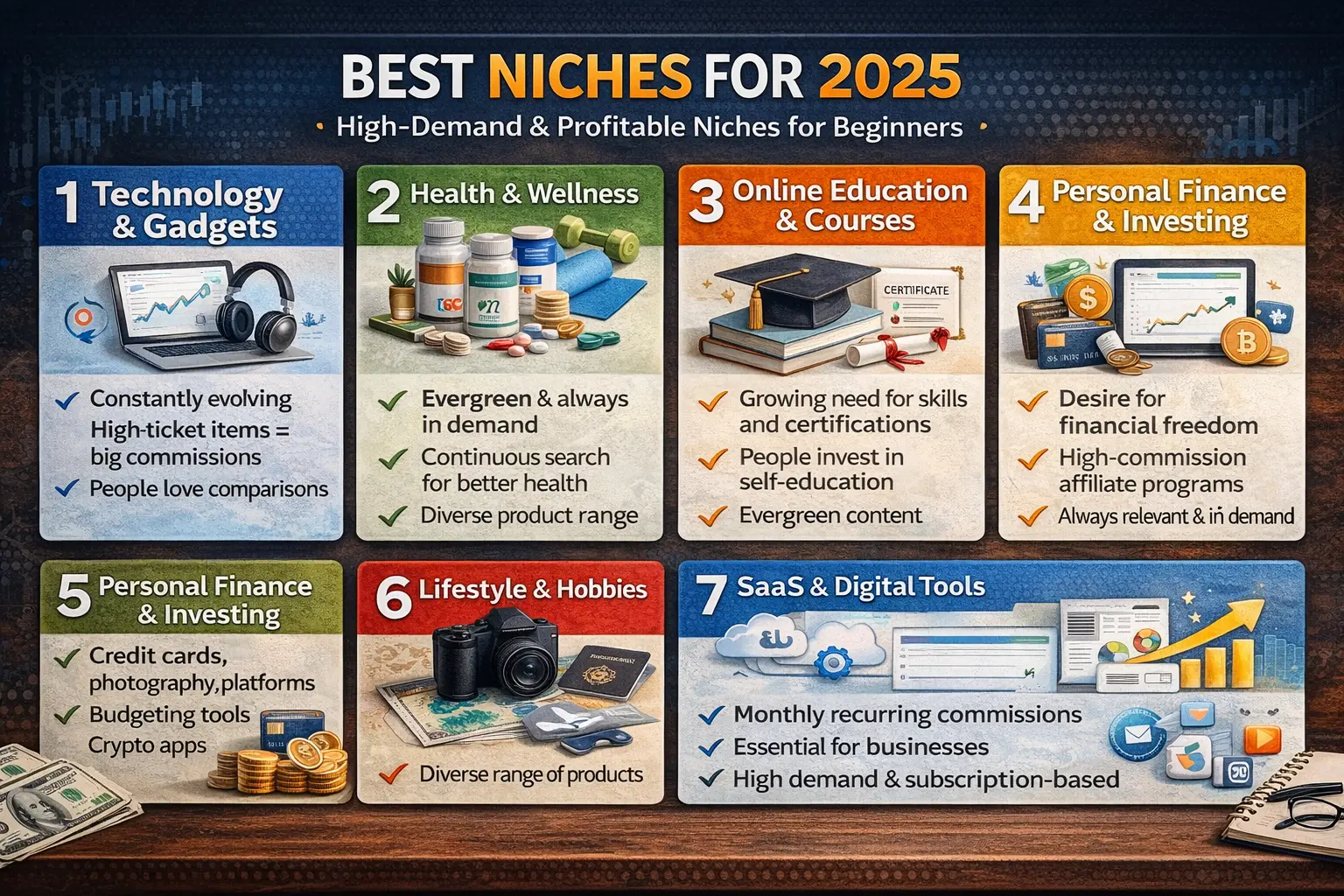
01 . Technology and gadgets – Think laptops, headphones, smart home devices and AI tools.
Why it works – Tech products constantly evolve, people love reviews and comparisons and high ticket items often pay bigger commissions.
Content ideas – “ Best AI Tools for Remote Workers, ” “ Top Smart Home Gadgets for Beginners. ”
02 . Health and wellness – Supplements, fitness programs, yoga gear, mental health apps.
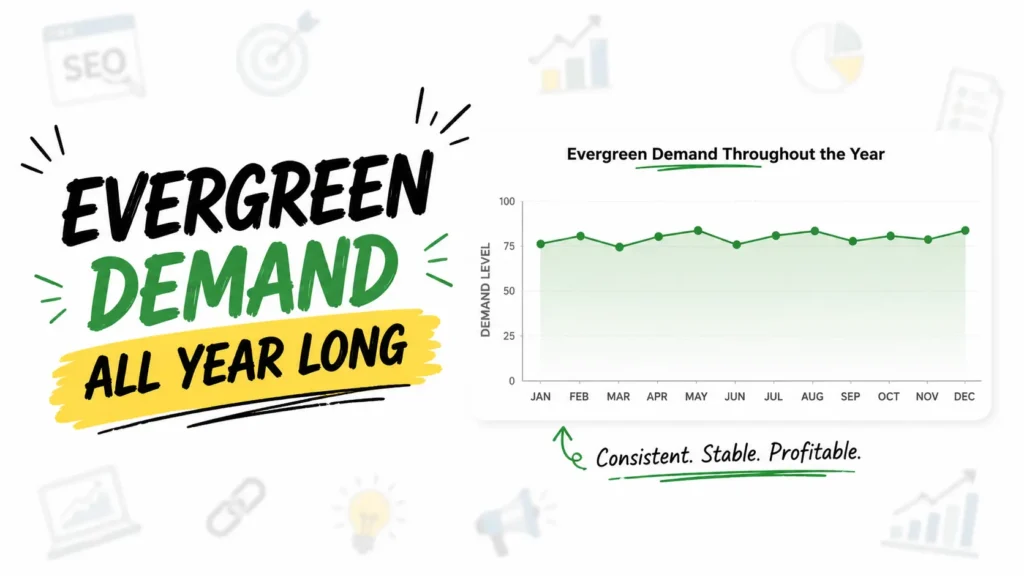
Why it works – Health is evergreen. People are always looking for ways to feel better or improve their lifestyle.
Content ideas – “ Top 10 Supplements for Busy Professionals, ” “ How to Start Yoga at Home. ”
03 . Online education and courses – From skill-building platforms to certifications.
Why it works – Learning never stops, and people invest in themselves.
Content ideas – “ Best Online Courses to Learn Digital Marketing, ” “ How to Learn Python from Scratch. ”
04 . Personal finance and investing – Credit cards, investment platforms, budgeting tools, crypto apps.
Why it works – Everyone wants financial freedom and affiliate programs in this niche often pay high commissions.
Content ideas – “ Best Budgeting Apps for Beginners, ” “ Top Investment Platforms for 2025 .”
05 . Lifestyle and hobbies – Travel gear, photography, gaming, fashion.
Why it works – People love authentic recommendations in areas they’re passionate about.
Content ideas – “Top Travel Accessories for Solo Travelers,” “Best Gaming Headsets Under $100.”
06 . Digital tools and software (SAAS) – Email marketing, website builders, automation tools.
Why it works – High demand and monthly recurring commissions.
Content ideas – “Best Tools to Start Your Online Business,” “Top Productivity Apps for Creators.”
How to choose the right affiliate programs for beginners
Once you’ve picked a niche, the next step is choosing affiliate programs. Not all programs are created equal, and picking the right ones early saves time, frustration and missed revenue.
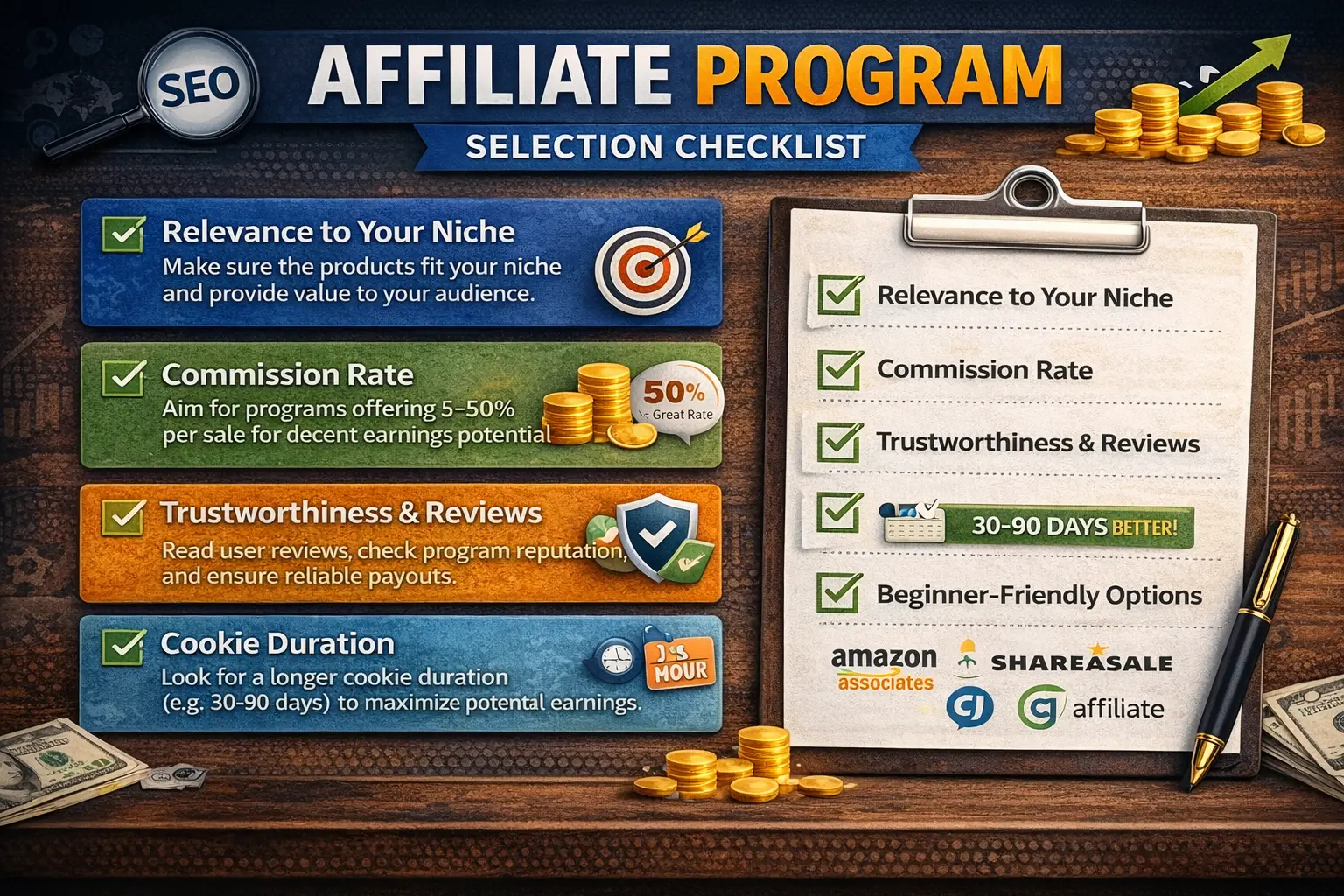
01 . Relevance is key – The product must fit your niche and audience. Promoting something unrelated rarely converts. For example, if your blog focuses on remote work tools, cooking gadgets won’t help your readers.
02 . Commission structure – Check how much you earn per sale or lead. Some programs pay flat fees, others a percentage. Low ticket products with recurring commissions can be just as valuable as high-ticket items.
03 . Reputation and trustworthyness – Would you personally use or recommend the product? Promoting shady programs can hurt your credibility. Test the product yourself or research reviews before promoting.
04 . Cokie duration – Cookies track referrals. The longer the duration, the better your chances of earning even if the sale happens days later.
05 . Beginner friendly programs – Start simple. Good options include
- Amazon associates
- ShareASale
- CJaffiliates
Start with 2 – 3 programs and promote them authentically. It’s better to focus on a few products you truly believe in than to overwhelm your audience with too many links.
Affiliate blog post types and how to write them for maximum conversions
The first step is to decide which affiliate programs to sign up for. creating content that truly generates clicks, builds trust, and generates commissions is the real skill. The secret is to match the type of post with the intent of your audience. Here’s an in-depth description of how to write the best blog posts for beginners.
01 . Product reviews
Have you ever Googled “ Is X product worth it? ” Your readers are doing the same. Product reviews are powerful because they target people who are ready to buy.
Tips for effective reviews,
- Be honest: highlight both pros and cons
- Share your personal experience or results
- Include affiliate links naturally within the content
- Add images, screenshots or short demos to make the review visual
- Include comparisons to alternatives to increase trust
Example – “ I tested this email marketing tool for 30 days, here’s what worked, and what didn’t… ”
02 . Comparison posts
Comparison posts help readers make decisions. People love seeing options side by side.
- Compare 2 – 3 similar products
- Use a table with features, pricing, pros/cons and benefits
- Help readers understand which product fits their needs
- Example title – “ConvertKit vs MailerLite : Which is Better for Beginners? ”
03 . How to guides / Tutorials
“ How to use X product ” posts are highly actionable and build authority.
- Demonstrate practical usage step by step
- Integrate affiliate links for tools or products needed in the tutorial
- Add screenshots, GIFs or short videos to simplify learning
- Example – “ How to Set Up Your First Email Campaign with ConvertKit ”
04 . Listicles and resource guides
These posts showcase multiple products at once.
- Example: “ Top 10 Tools Every Remote Worker Needs ”
- Focus on providing real value and actionable advice
- Avoid turning it into a link-heavy sales page; emphasize guidance
Having followers doesn’t automatically mean income. Learning how to turn social media followers into customers bridges the gap between attention and action. When done right, social content supports affiliate marketing without feeling salesy or forced.
Affiliate disclosure and trust building
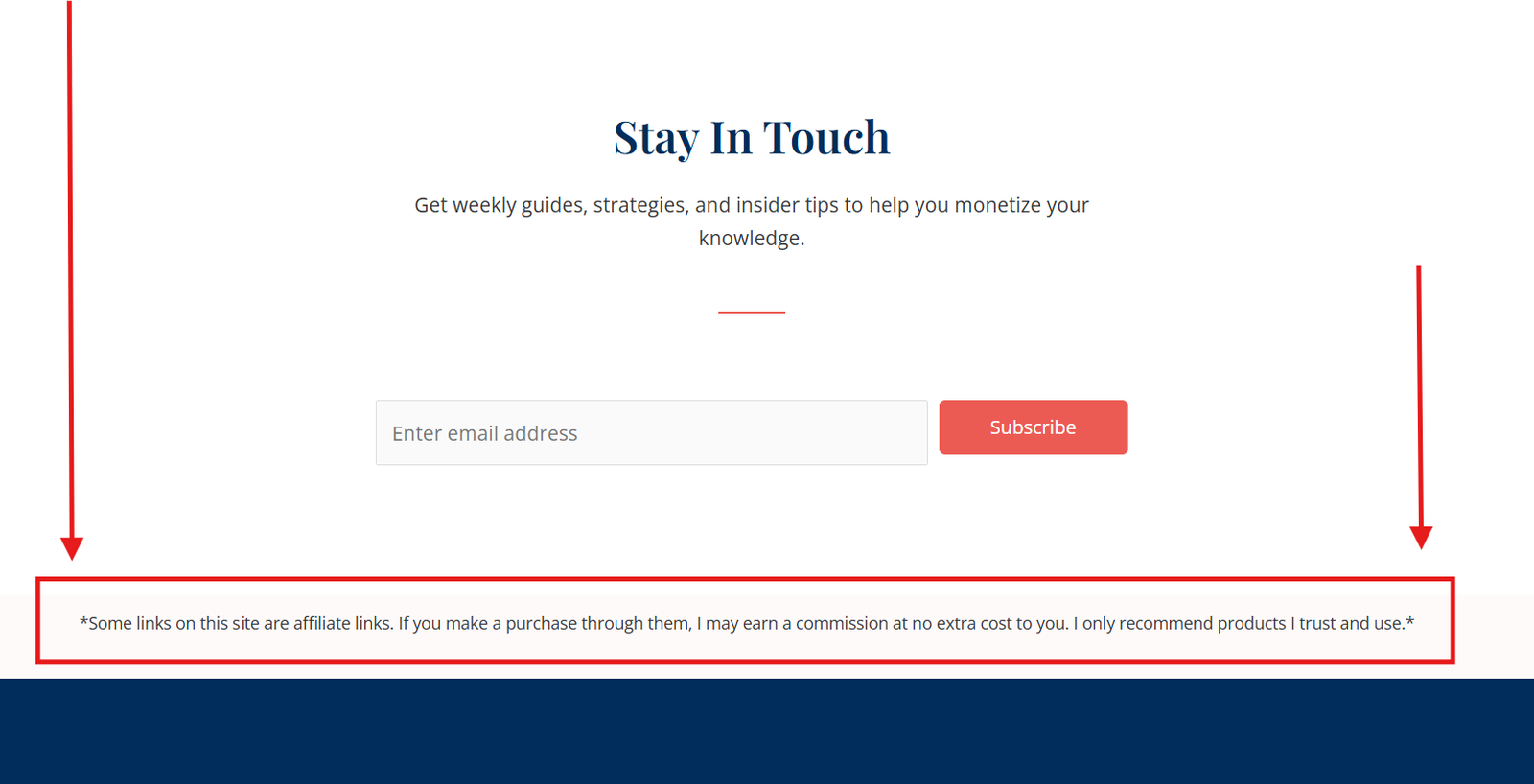
The difference between blogs that feel pushy and those that feel trustworthy is transparency . Building credibility is key for long-term success in affiliate marketing.
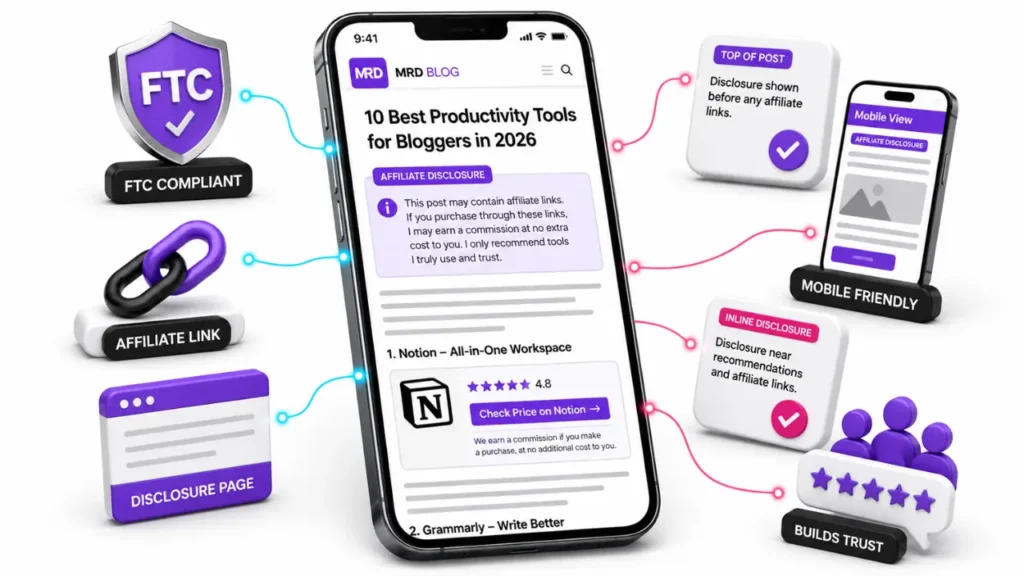
- Always disclose affiliate links – Include a clear statement like ,
“ Some links in this post are affiliate links. I earn a small commission if you purchase through them at no extra cost to you. ”
Place it at the top and/or before your first link. This builds immediate trust and keeps you FTC compliant.
- Share your personal experience – Readers connect with stories, not just features. Be honest about pros and cons. Example: “ I used this smart home device for 2 weeks – here’s what I liked and what didn’t work.”
- Avoid over promotion – Only recommend products you genuinely believe in. Your goal is to help your audience, not just sell. Overloading links erodes trust.
- Include social proof – Screenshots, testimonials or real stats boost credibility. Readers feel confident when they see proof from real people.
- Be helpful first , sales second – Your content should educate, solve problems and answer questions. Links should feel natural, the sale comes as a byproduct of value not forceful promotion.
By combining these blog post types with transparent practices, you’ll not only generate clicks but also build authority in your niche. Trust and experience are what turn beginners into repeat readers and loyal customers.
Low clicks often come from low engagement. Understanding why people do not engage with your content helps you fix unclear messaging, weak hooks, or content that doesn’t solve real problems. Engagement comes before conversions , always.
SEO strategies for affiliate blogs – Get traffic that converts
You’ve chosen your affiliate products and started building trust with your audience. But here’s the real question , how do people actually find your content ? That’s where SEO comes in. Done right, it can bring steady, long term traffic that converts.
01 . Target the right keywords
Focus on long tail keywords that shows clear intent , For example ,
“ Best wireless headphones for Zoom calls ” instead of just “headphones.”
Use tools like Google keyword planner , Ubersuggest or AHREFS
to find keywords with traffic but low competition. Naturally include your main keyword in headings, subheadings and the first paragraph. This makes it easy for search engines and readers to understand what your post is about
02 . Write compelling meta titles and descriptions
Meta title- include your main keyword, keep it under 60 characters
Meta description: 150 – 160 words summarizing what readers will learn. Example,
“Learn how to start affiliate marketing as a beginner and earn commissions by promoting products you trust. Step-by-step guide inside!”
03 . Optimize on page SEO
Include your main keyword in H1 and at least one H2
Use internal links to related posts, like “How to Create a Website” or “Blog Monetization”
Add images with descriptive alt text using keywords
04 . Build backlinks strategically
Guest post on other blogs in your niche
Share content on forums, communities and social media . Quality backlinks improve search rankings and increase credibility.
05 . Optimize for user experience
Fast loading pages, mobile-friendly design, clear navigation
Short paragraphs, bullet points, highlighted tips
Include call to actions ( CTAs ) for affiliate clicks or newsletter signup
SEO is a long term game. Consistency, tracking results and refining based on performance is key.
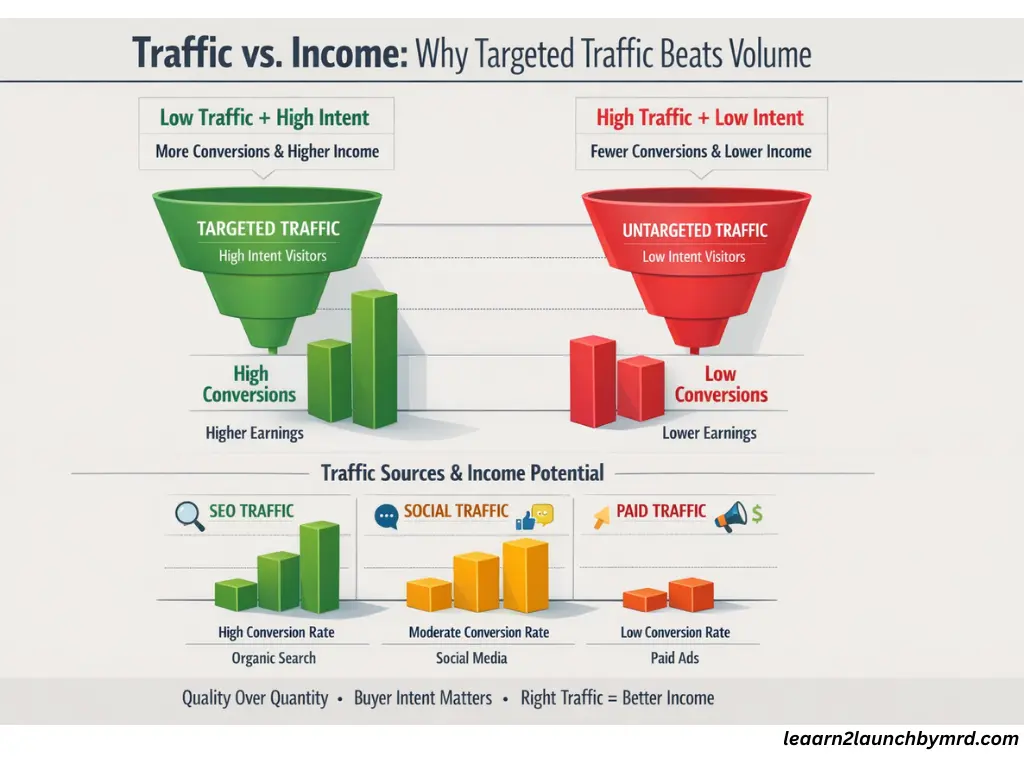
Many beginners believe they need thousands of visitors before earning. That’s not true. Learning how to monetize a blog with low traffic shows how targeted content, high intent keywords and the right affiliate offers can generate income even with small but focused audiences.
YouTube + Affiliate marketing – Turn views into commissions
YouTube is one of the easiest ways to combine content and affiliate marketing. People trust what they can see and videos hold attention better than text alone.
Why YouTube works
- Visual demonstration – showing a product in action builds credibility
- High engagement – viewers watch longer, increasing click chances
- Evergreen traffic – a well optimized video can generate sales for months
How to start
- Choose your niche and products wisely
- Create value driven content reviews, tutorials, top product lists
- Include affiliate links strategically in descriptions, pinned comments or CTAs
- Optimize video SEO – titles, tags, thumbnails and descriptions
Tips for beginners
- Focus on quality over quantity
- Build trust first; never promote products you don’t believe in
- Embed videos in blog posts to increase engagement and affiliate opportunities
Affiliate marketing isn’t just about links, it’s about trust. If you’re using social platforms, learning how to build trust on social media as a beginner helps turn followers into readers who actually listen to your recommendations instead of ignoring them.
What beginners need to understand before starting affiliate marketing
Affiliate marketing is real but it’s not instant. One of the most important lessons beginners must learn early is that affiliate marketing is skill based business , not a shortcut. This is what most successful affiliate marketers understand from the beginning,
Results take tie , not luck –
A lot of beginners do not fail because affiliate marketing is inefficient. They don’t succeed because they require results too quickly. Conversions, trust, and SEO traffic typically take weeks or months rather than days.
Effort without strategy leads to burnout
Frustration comes from publishing inconsistent posts, engaging with too many affiliate programs, or following trends. Focusing on one platform, one niche, and one specific goal at a time helps beginners succeed more quickly.
Trust matters more than traffic
A small audience that trusts you converts better than thousands of random visitors. Honest reviews, transparent disclosures and real recommendations build long term income.
Affiliate marketing not passive at the beginning
While affiliate income can eventually become semi-passive, learning, testing, and consistency are necessary in the early stages. Because it is a reputable online business, consider it as such.
Understanding these realities protects beginners from scams, hype, and unrealistic expectations. Only by changing what you think, you may beat a lot of people who start affiliate marketing.
This is exactly why most beginners fail in affiliate marketing , not because the model is broken, but because they jump in without a clear plan or realistic expectations.
Common affiliate marketing mistakes to avoid
Even experienced marketers fall into these traps,
- Promoting too many products at once – Focus on a few trusted products to build credibility.
- Ignoring audience needs – Your links should solve a real problem, not just sell.
- Skipping SEO and traffic strategies – No traffic means no sales. Keywords, meta descriptions and engaging titles matter.
- Lack of transparency – Always disclose affiliate links; honesty builds trust and keeps you compliant.
- Not tracking performance – Analytics help you understand what works and what to scale.
Start small, focus on a few products, track results and grow gradually.
Affiliate marketing doesn’t fail execution does. Understanding common mistakes beginners make when monetizing content can save months of frustration. From promoting irrelevant products to overloading posts with links, small errors often block progress more than lack of effort.
Tools and tech – Essential stack for beginners
You don’t need a big budget but the right tools make a huge difference.
- Website and hosting – WordPress + Hostinger, Bluehost or SiteGround is flexible and beginner friendly. Your website is your foundation for blog posts, landing pages and reviews.
- SEO tools – Ahrefs, SEMrush, Ubersuggest or free options like Google Keyword Planner help you find traffic friendly, low competition keywords.
- Email marketing – Tools like MailerLite help build and nurture an email list for long term conversions.
- Analytics tracking – Google Analytics and affiliate dashboards show which content performs best.
- Productivity and tracking – Notion, Canva and Grammarly streamline planning, graphics and proofreading.
Don’t try to use every tool at once. Start with a website, basic SEO and email marketing, then add tools as you grow.
Guessing doesn’t scale affiliate income data does. Learning how to use analytics to improve monetization strategy helps you understand which content converts, where users drop off and which links actually earn. Even simple analytics can guide smarter decisions over time.
Frequently asked questions on affiliate marketing for beginner complete guide
What is affiliate marketing and how does it work?
By promoting goods or services online, affiliate marketing allows you to earn commissions. You give out a special link, and you get paid when someone buys something. It’s one of the easiest ways for beginners to begin making money from a blog, YouTube channel, or social media account without having to create your own
How do I start affiliate marketing as a beginner?
Affiliate marketing allows you to earn commissions by promoting products or services online. You share a unique link and when someone makes a purchase, you get paid. For beginners, it’s one of the simplest ways to start monetizing a blog, YouTube channel, or social media account without creating your own product.
Can I do affiliate marketing without a blog?
Absolutely! Blogs are effective, but you can also use YouTube, Instagram, TikTok or email newsletters to promote affiliate products. The key is creating value, whether it’s a tutorial, a product review or a comparison, so your audience feels guided rather than sold to.
Why do most blogs fail in affiliate marketing?
Many beginners struggle because they try to do too much at once, promote products randomly, or ignore SEO and traffic strategies. Others fail by focusing only on commissions instead of helping their audience. By learning the right steps and avoiding common mistakes, you can grow steadily and avoid wasted effort.
How long does it take to earn from affiliate marketing?
It depends on your effort and strategy. Some beginners see small commissions in a few weeks, while others may take several months to get consistent income. The good news is that affiliate marketing compounds over time , your content continues earning long after it’s published if you focus on quality and trust.
Start your affiliate marketing journey today
I f you have been wondering how to start affiliate marketing as a beginner , this is the truth.
here’s the truth: it’s not about shortcuts or luck, it’s about learning, testing, and taking consistent action. Affiliate marketing for beginners complete guide, like this exists to show you the exact steps that work, so you don’t waste months figuring it out the hard way.
The biggest problem most beginners face isn’t effort, it’s knowing what is affiliate marketing and how does it work and and where to start. You might feel overwhelmed with programs, products and content ideas. That’s normal. The solution is simple: break it down into small, actionable steps.
- Pick a niche you care about and understand
- Choose affiliate programs that align with your audience
- Start creating content that genuinely helps people, whether it’s a blog post, YouTube review or tutorial
- Build trust first, then guide readers to your affiliate links
You don’t have to become an expert at everything at once. Focus on one step at a time, such as your initial email list, blog post, or product review. Your online platform slowly starts generating real results as each tiny step adds up over time.
At its core, affiliate marketing is about sharing what you know. Learning how to monetize your knowledge online shows how experience, skills, and lessons can be turned into income ,whether through content, recommendations, or digital products.
Remember , affiliate marketing isn’t get rich quick scheme . It’s one of the most accessible and sustainable ways to monetize your knowledge and online presence while sharing products you already believe in. With the right strategies, patience and a focus on trust, your efforts will turn into income that grows over months and years.
Every successful affiliate marketer starts exactly where you are now: unsure, curious, but ready to get started. Start now, maintain consistency, and see how small, planned steps lead to important results.
Affiliate marketing is only one part of building income online. As your blog grows, combining it with other proven methods can make your earnings more stable and scalable. This is where understand How to Monetize a Blog for Beginners. becomes important, especially if you want multiple income streams working together instead of relying on a single source.