
Most beginners jump into social media with one goal , to sell fast. They post links, promote offers and push products, then wonder why nothing converts.
The simple truth – people don’t buy from accounts they don’t trust.
If you skip the trust building stage, even the best product will fail. That’s why learning how to build trust on social media as a beginner is more important than learning how to sell
When you’re new, your audience doesn’t know,
- Who you are
- What you stand for
- Whether your advice is genuine
Without audience trust , every post feels like noise instead of value.
- Low engagement despite decent views
- Followers who scroll past instead of interacting
- Zero clicks, zero conversions
Trust is the real foundation of online income. It’s what turns,
- Content into credibility
- Followers into loyal audiences
- Attention into long term results
This guide will walk you through social media trust building strategies that actually work for beginners. You’ll learn how personal branding on social media helps you stand out, how building credibility on social media works without being an expert and how to gain audience trust online before ever trying to sell
If you get trust right first, selling becomes natural, not forced.
Table of Contents – how to build trust on social media as a beginner
What trust really means on social media
When people hear “ trust ” on social media, they often think it comes from big follower numbers .In reality , follower count has very little to do with Building credibility on social media , especially for beginners.
Trust is not about how many people follow you.
It’s about how people feel when they land on your profile.
On a subconscious level, users ask themselves,
- Is this person consistent or random?
- Do they seem honest or exaggerated?
- Are they showing real effort or just trying to sell?
This decision happens in seconds .
Real trust on social media is built through four core signals
- Consistency – Posting regularly with a clear message and niche
- Honesty – Sharing real experiences not fake success stories
- Proof – Showing progress, results or learning, even if small
- Presence – Being active, replying to comments and engaging
These signals matter more than any viral post.
Low engagement is rarely about algorithms alone. In most cases, it’s caused by unclear messaging, lack of trust, or content that doesn’t resonate. Understanding why people do not engage with your content helps you identify trust gaps and adjust your approach before blaming reach or visibility issues.
Trust also depends on visibility. If the right people never see your content, engagement stays low. Understanding how to use keywords the right way helps your posts reach users who are already searching for your topic, making trust building more natural and less forced.
New account VS Trusted account behavior
A new account without trust often,
- Posts randomly with no clear focus
- Pushes offers too early
- Disappears for days or weeks
A trusted account , even with low followers ,
- Talks to a specific audience
- Shows up consistently
- Provides value without immediate selling
This is how building credibility on social media actually works. Trust grows from predictable, human behavior , not numbers. Once people trust you, engagement increases naturally and future sales feel earned instead of forced.
Why beginners struggle to build trust online
Building trust online isn’t automatic , especially for beginners. Many new creators face common obstacles that slow down their progress and make it hard to gain audience trust online.
01 . No authority yet
As a beginner, you might feel inexperienced or unqualified. Without visible proof of expertise, followers may hesitate to trust your advice or recommendations. It’s easy to assume that you need massive credentials to build credibility , but small, consistent wins can make you relatable and trustworthy.
02 . Fear of showing personality
Many beginners hide behind generic content or avoid sharing personal opinions. When you don’t show who you really are, your audience struggles to connect with you. People trust humans not faceless accounts. Showing personality , even imperfections , helps followers feel a genuine connection.
03 . Copying others instead of being authentic
Imitating popular accounts may seem safe, but it often backfires. Audiences quickly notice lack of originality and trust drops. Authenticity is more important than perfection. Sharing your unique perspective even small insights , positions you as credible and approachable.
04 . Inconsistent posting and messaging
Posting sporadically or sending mixed messages confuses your audience. Followers can’t predict what you stand for or when to expect content. Trust grows from reliability not randomness.
Understanding these struggles is the first step toward solving them. By addressing these barriers, beginners can start building a solid foundation of audience trust , paving the way for engagement, loyalty and eventually, sales.
Trust isn’t built overnight. It’s a process of showing up, being authentic and delivering consistent value.
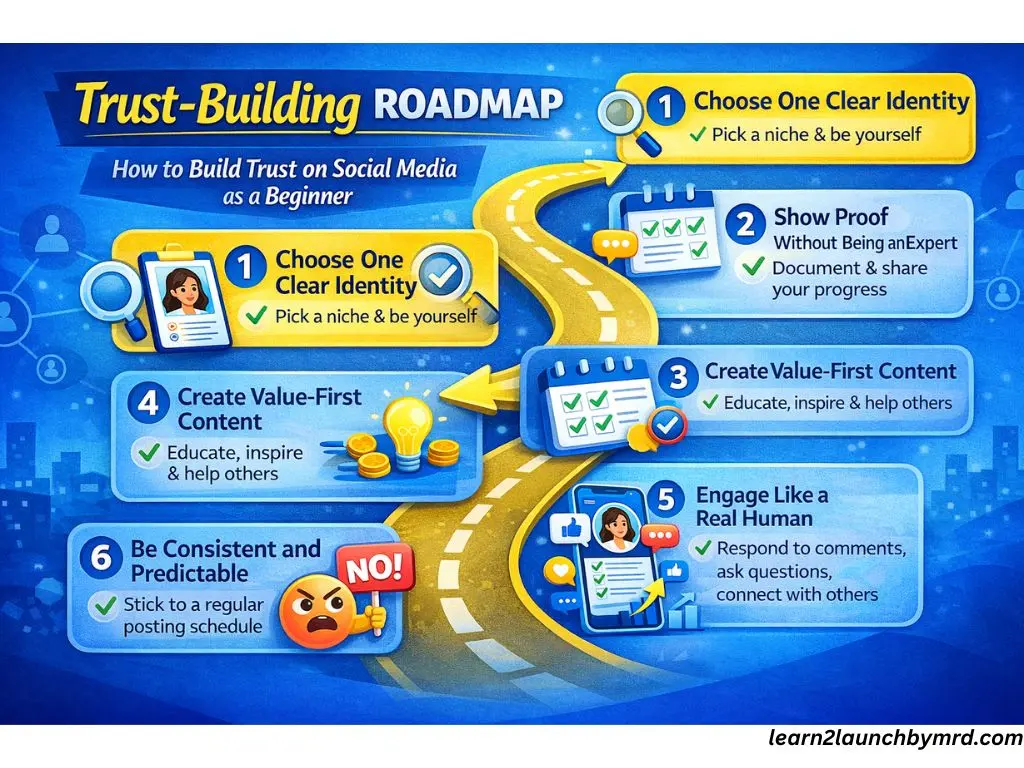
Step 01 . Choose one clear identity
The first step in building trust on social media as a beginner is defining your identity. This is the foundation of your personal brand and it sets the tone for how your audience perceives you. Without a clear identity, even high quality content can fail to convert followers into loyal fans.
01 . One niche , one problem , one audience
Focus on a single niche and the specific problem you solve. Trying to cover too many topics confuses your audience and dilutes trust. Instead, pick one clear focus that resonates with the people you want to help.
Ask yourself ,
- Who am I serving?
- What problem do I solve for them?
- Why should they follow me instead of someone else?
02 . Clarity beats creativity at the first
You don’t need a flashy, complicated brand immediately. Beginners often overthink visuals, slogans or trendy content. Clear messaging wins over creativity in the early stages because it builds predictability and predictability fosters trust.
03 . Optimize your bio
Your social media bio is often the first thing people see. Make it clear who you help and how you help them. A good bio should include,
- Your niche or expertise
- Who benefits from your content
- A short, actionable promise or outcome
04 . Profile photo , name and tone consistency
Consistency in visuals and tone signals reliability. Use a clear profile photo, stick to a recognizable name or handle and maintain a consistent tone in your posts. This subconsciously tells followers, “ This account is serious and trustworthy. ”
Trust begins before someone even reads your first post. A clear identity and consistent presentation make people feel comfortable exploring your content and engaging with you.
By defining a strong personal brand early, you set yourself up for long term credibility and make it easier for your audience to trust everything you share next.
One reason trust breaks down is inconsistent or random content. Having a clear idea system helps you stay relevant. Learning how to find content ideas for beginners ensures your posts stay aligned with your audience’s problems, making your content feel intentional rather than scattered.
Step 02 . Show proof without being an expert
Many beginners hesitate to post because they feel “I am not qualified“. The truth is, you don’t need to be an expert to start building credibility on social media . Trust comes from transparency, consistency and proof , not perfection.
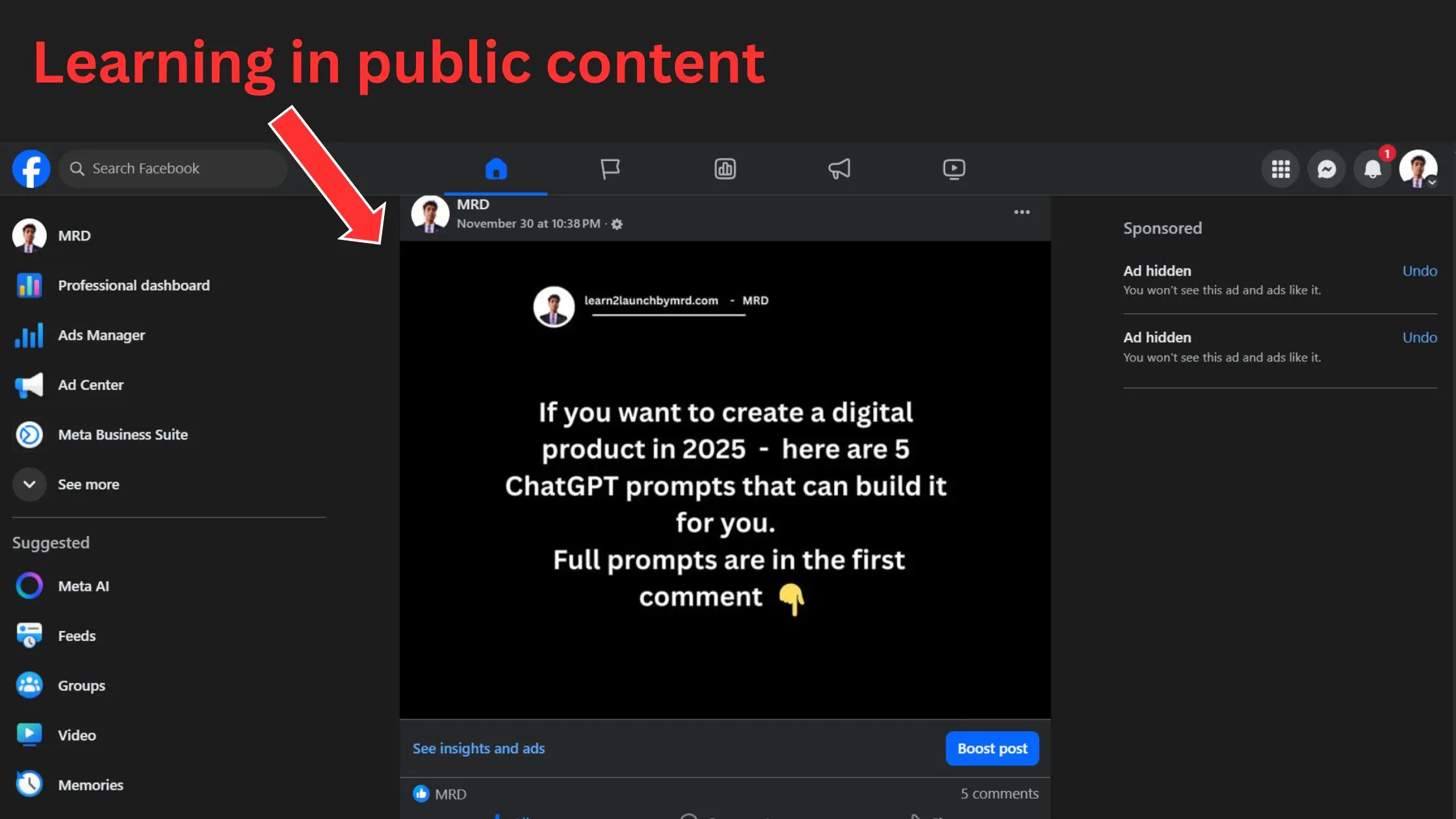
01 . Learning in public strategy
One of the fastest ways to gain trust is to share your learning journey openly. Instead of pretending you know everything, show your audience that you’re learning alongside them. This approach makes you relatable and positions you as authentic.
02 . Share experience , Not claims
Focus on what you’ve actually done rather than making bold claims. For example,
- Talk about mistakes and lessons learned
- Share small wins or breakthroughs
- Highlight practical insights
Audiences trust real experiences far more than generic advice or unverified promises.
03 . Document progress vs teaching mastery
You don’t need to be an expert to post helpful content. Document your progress,
- Share your daily routines
- Show step by step actions you take
- Record milestones, even minor ones
This demonstrates credibility without requiring mastery.
04 . Small proof signals
Even tiny evidence builds trust. Beginners can use,
- Screenshots of results or achievements
- Short video clips of workflow or processes
- Habits or routines that show dedication
These proof signals show your audience that you’re consistent and reliable, which strengthens your personal brand.
By focusing on building credibility on social media through authentic proof, you remove the fear of being “ unqualified ” and start establishing a trustworthy presence. Remember: consistency, honesty and small, visible actions matter more than expert-level knowledge at this stage.
Step 03 . Create value first content that builds trust
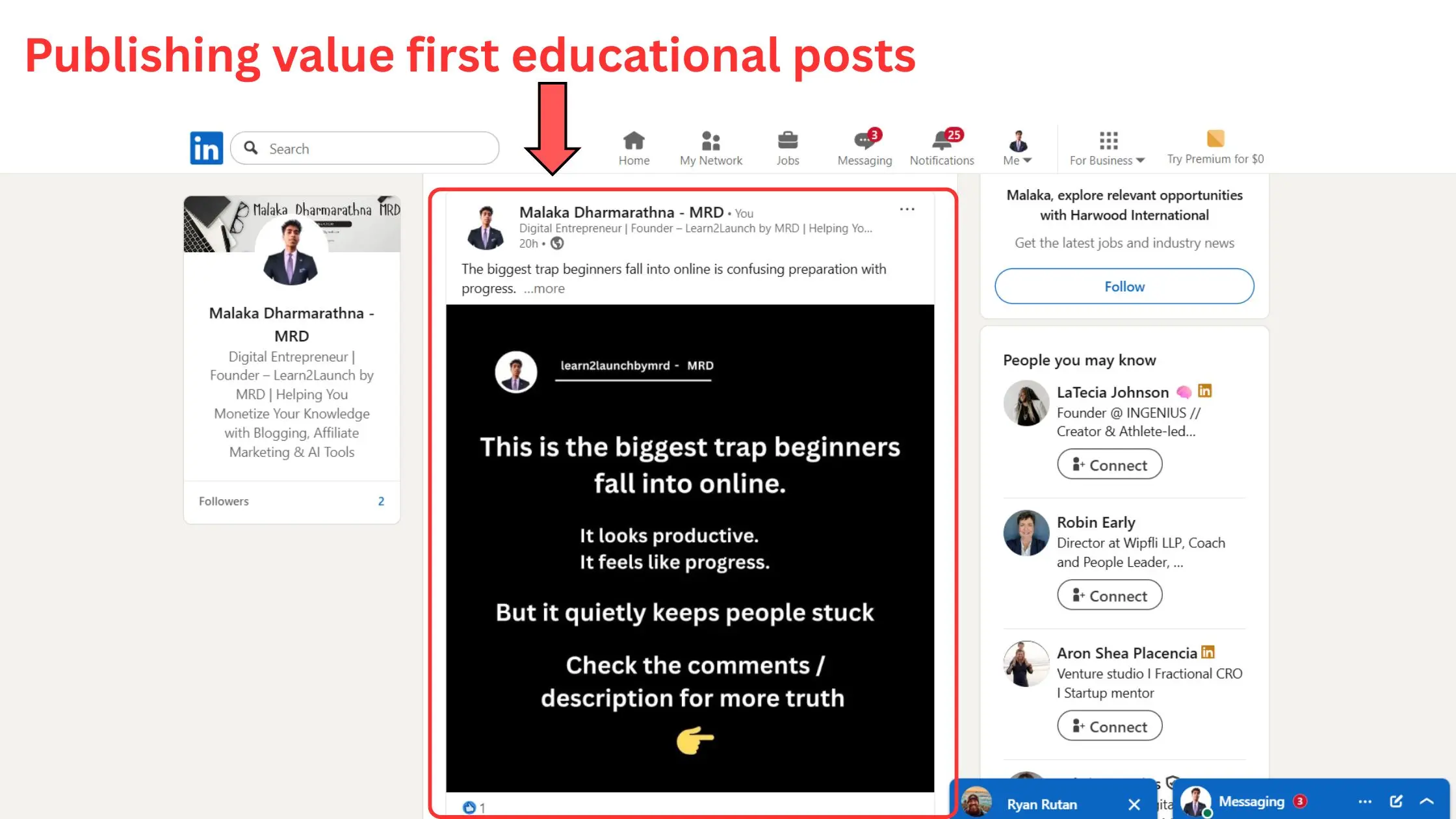
One of the most powerful social media trust building strategies is creating content that focuses on value first , before you even think about selling. When beginners try to sell too soon, they often fail. Instead, content that educates, inspires or helps your audience builds credibility and audience trust
01 . Educational content
Share actionable tips, tutorials or insights that your audience can use immediately. This doesn’t require being an expert , you can share what you’re learning or simple strategies that make a real difference. Educational content positions you as helpful not pushy.
02 . Relatable mistakes and lessons
Don’t be afraid to show imperfections. Sharing mistakes and what you learned from them creates relatability. People trust creators who are honest about their journey rather than pretending everything is perfect. Examples
- Tools you struggled with
- Approaches that didn’t work
- Lessons that changed your workflow
03 . Behind the scenes content
Give your audience a peek behind the curtain. This could include your daily routines, workspace setup or how you create content. Showing effort and authenticity strengthens your personal brand and makes followers feel connected.
04 . Consistency > virality
A viral post is nice, but consistent value over time builds trust that lasts. Posting regularly , whether small tips, progress updates or insights, signals reliability and professionalism.
Content examples by platform
- Instagram / TikTok – Short tutorials, reels of progress, relatable mistakes
- YouTube – Step by step guides, how to videos, day in the life
- Blog posts – In depth guides, actionable tips, real experiences
Value VS promotional ratio
A good rule for beginners – 80% value , 20% promotion , Focus on helping your audience first. Promotion comes naturally after you’ve built credibility.
By consistently delivering value, you establish yourself as trustworthy and knowledgeable. Remember, people buy from accounts they trust and value first content is the fastest way to earn that trust
Follower growth becomes easier once trust is established. Instead of chasing viral hacks, beginners benefit more from credibility focused strategies. Understanding how to get your first 1000 followers as a beginner for free helps you grow an audience that actually engages, listens, and trusts your content
Step 04 . Be consistent and predictable
Consistency is one of the most overlooked aspects of trust psychology on social media. Beginners often focus on creating perfect content but ignore showing up regularly. In reality, predictability builds authority faster than occasional viral posts
01 . Posting schedule trust effect
A consistent posting schedule signals reliability. When your audience knows what to expect and when, they subconsciously trust you more. Even simple routines , like posting three times a week show commitment and professionalism.
02 . Messaging consistency
Consistency isn’t just about frequency; it’s also about messaging. Your tone, style and niche focus should remain stable across all posts. Mixed messages confuse your audience and reduce credibility. Clear, consistent messaging helps followers quickly understand what you stand for.
03 . Visual consistency
Visuals are a silent trust signal. Using the same color palette, fonts and style across posts creates a cohesive identity. This makes your account look polished and reliable, even if your content is simple.
04 . Why disappearing kills trust faster than bad content
Being absent for long periods harms trust more than occasional mistakes. Followers need to see effort and regular activity to feel confident engaging with you. Even short, imperfect posts are better than disappearing completely.
By maintaining consistent posting, messaging and visuals, you create a predictable environment where your audience feels safe and valued. Predictability is a key factor in building trust on social media as a beginner ,and it sets the stage for stronger engagement and long term relationships.
Building trust requires showing up regularly, but consistency doesn’t mean exhaustion. Many beginners quit because they push too hard too fast. Learning how to stay consistent on social media without burnout helps you maintain a sustainable posting rhythm while protecting your energy, which is critical for long term credibility and audience trust.
Consistency doesn’t always mean creating new content every day. Many trusted creators grow faster by reusing what already works. Learning what is content repurposing is and how does it work allows you to stay visible across platforms while reinforcing the same message repeatedly an important trust-building signal.
Step 05 . Engage like a real human
Engagement is one of the most powerful ways to gain audience trust online. Posting content is important, but interacting with your followers creates real connections and shows that you care about them, not just your own growth.
01 . Replying to comments and DMs
Responding to comments and direct messages shows your audience that you are approachable and attentive. Even short, genuine replies can make followers feel seen and valued. Consistent interaction builds trust faster than posting alone .
02 . Asking questions
Encourage conversations by asking your audience questions. This could be simple polls, open ended prompts, or feedback requests. Asking questions shows that you value their opinions and helps you understand their needs better.
03 . Supporting others in your niche
Engage with other creators in your niche by commenting, sharing or collaborating. This demonstrates authenticity and positions you as part of the community, which indirectly builds trust with your own audience.
04 . Why engagement builds faster trust than posting
Many beginners focus solely on content creation, thinking followers will automatically trust them. In reality, trust grows when people feel personally connected. Engaging like a real human, rather than a faceless account.Signals honesty, reliability and relatability.
By consistently interacting with your audience and peers, you strengthen your personal branding on social media and create an environment where followers are more likely to engage, share and eventually trust your recommendations.
What not to do if you want people to trust you
Building audience trust is about more than doing the right things, it’s also about avoiding common mistakes that erode credibility. Beginners often unintentionally push followers away by taking the wrong approach.
01 . Selling too early
Promoting products before establishing trust makes you appear pushy. Your audience isn’t ready to buy if they don’t feel connected or confident in your expertise. Wait until you’ve provided consistent value first.
02 . Fake testimonials
Sharing fake reviews or exaggerated results can damage trust permanently. Authenticity matters more than perfection. Real experiences, both wins and failures , resonate better with your audience.
03 . Overpromising results
Avoid promising instant success or guaranteed outcomes. Overpromising sets unrealistic expectations and leads to disappointment, which can harm your credibility. Be honest about what your content or product can realistically achieve.
04 . Copy and paste Guru content
Copying popular content from other creators without adding your unique perspective makes your account seem generic. Followers trust original voices over recycled ideas.
By steering clear of these mistakes, you position yourself as honest and real, which strengthens your personal brand. Trust grows when followers feel that your content, advice and intentions are genuine. Focus on transparency, integrity and providing value and your audience will naturally engage and stick around.
When is the right time to start selling?
Knowing when to start selling on social media is crucial for beginners. Selling too early can damage audience trust , while waiting too long can slow your growth. The key is to watch for trust signals before introducing offers.
Trust is the bridge between attention and income. Once engagement and credibility are established, monetization becomes natural. This is where understanding how to turn social media followers into customers matters by transitioning from value driven content to ethical, relationship based selling.
Trust signals checklist
Before promoting anything, ensure your audience,
- Engages with your content consistently
- Comments, shares or reacts positively
- Frequently interacts via DMs or polls
Engagement > followers
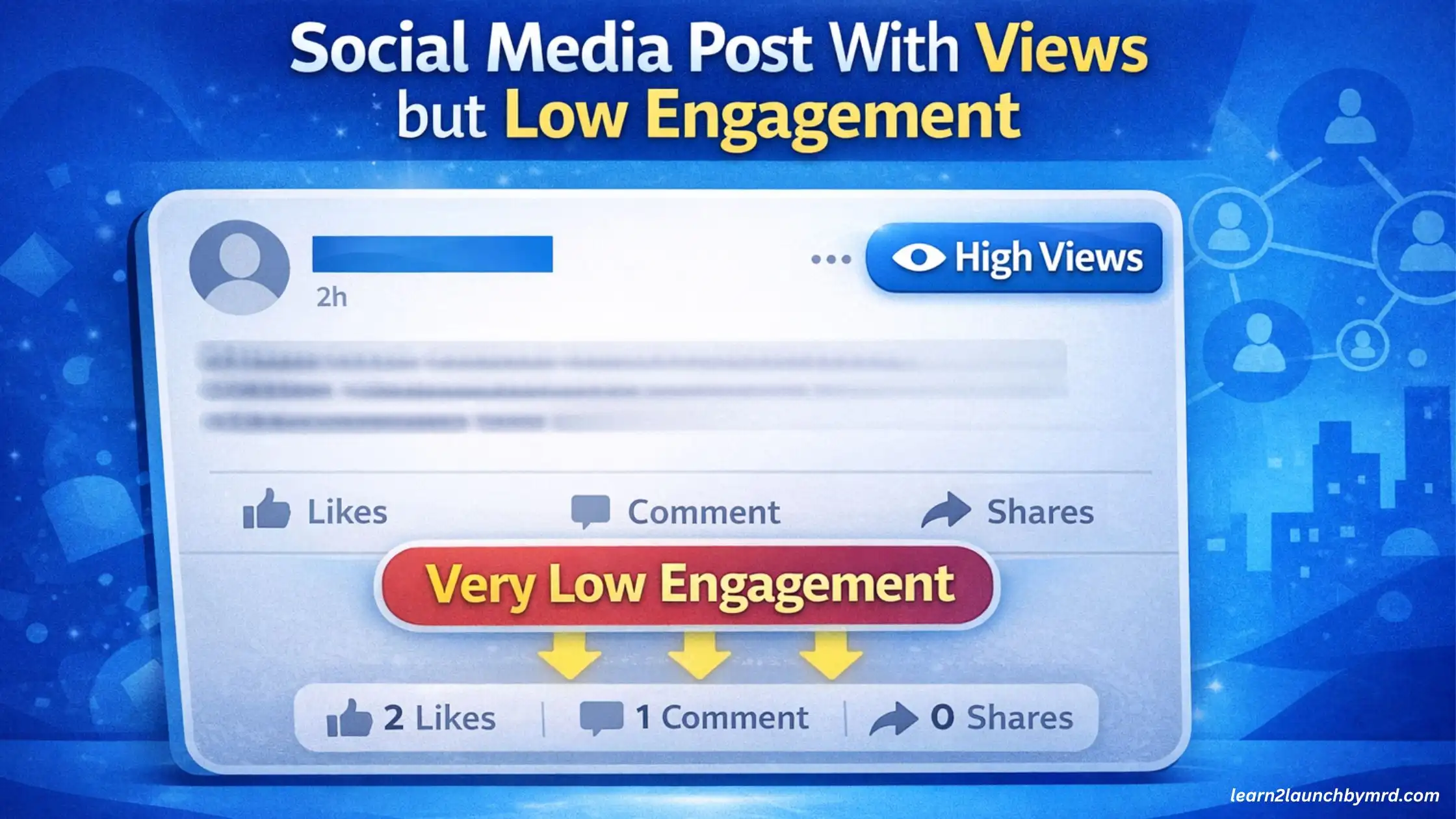
Don’t focus solely on follower count. A small, engaged audience is far more valuable than thousands of passive followers. Trust and interaction are stronger indicators that your community is ready for recommendations.
Soft transitions
Start selling subtly,
- Recommend tools or resources you personally use
- Share affiliate links naturally within tutorials
- Offer solutions to problems you’ve already addressed in your content
By waiting for these audience trust signals and using gentle, value driven transitions, you can start monetizing without breaking the relationship you’ve built. Trust first , sell second , t’s the strategy that works every time.
Once trust starts forming, the next step is guiding your audience off social platforms. Instead of selling immediately, many creators use value driven incentives. Learning how to use lead magnets with social media traffic allows you to convert trust into email subscribers without damaging the relationship you’ve built.
Trust shouldn’t disappear when algorithms change. Many creators protect their audience relationships by moving them to owned platforms. Learning how to build an email list for beginners allows you to maintain trust, communicate directly and create long-term value beyond social media feeds.
Frequently asked questions on how to build trust on social media
How can beginners build trust on social media?
Beginners can build trust on social media by being authentic, consistent and value driven. Use social media trust building strategies, share personal experiences, and engage with your audience regularly. Focus on personal branding on social media to show who you are and build credibility.
Why is audience trust important before selling online?
Audience trust ensures that followers believe in your recommendations. Selling without trust often leads to low engagement and minimal conversions. By focusing on building credibility on social media first, your audience is more likely to take action when you introduce products or services.
What type of content help build trust as a beginner?
Content that educates, shares relatable mistakes and offers behind the scenes insights helps beginners build trust. Document your progress instead of trying to show mastery, and provide consistent value before promoting anything.
How often should I post to gain audience trust?
The secret is to be consistent. Regular posting, whether on a daily basis, a few times a week, or according to a set schedule, indicates dependability. Along with consistent messaging and visuals, this strengthens your personal branding on social media and keeps followers engaged.
Can I build trust without being an expert?
Yes . You can show proof through a learning in pubic strategy , share experiences and highlight small wins. Authenticity and openness foster trust, not claiming one’s expertise. Honest content can quickly establish credibility even for beginners.
How do I know when my audience is ready to buy?
Keep an eye out for engagement signals: interactions, shares and comments show that your audience has faith in you. Prioritize offering value and before introducing products, make use of gentle transitions like suggesting tools or resources. More important than the number of followers is engagement.
Building trust on social media as a beginner is not a one time task . It takes daily work. Your credibility is enhanced by each post, comment and interaction. The good news? Gaining the trust of your audience doesn’t require you to be an expert or have thousands of followers. The true cornerstones of long-term success are authenticity, honesty and consistency.
Beginners can win by being real. Sharing your journey, documenting your progress and applying social media trust building strategies positions you as a trustworthy voice in your niche. Combining this with personal branding on social media ensures your audience knows who you are and what you stand for, which naturally strengthens building credibility on social media.
Take action today –
- Start documenting your learning process or behind the scenes content.
- Engage actively with followers and peers.
- Check out our guide on “How to use social media to grow your online business ” to complement these trust building techniques and accelerate your growth.
Keep in mind that building trust is a process rather than a final goal. You create the conditions for future sales, meaningful engagement and a loyal base of people who trust you by highlighting authenticity and consistent value.
Social media trust doesn’t have to live on one platform. Many beginners expand reach by combining trust based content with discovery platforms. If you want long term visibility, learning how to drive website traffic from Pinterest can help turn evergreen pins into consistent blog traffic without daily posting pressure.
Social media trust becomes more powerful when it supports your long term platforms. Many beginners struggle with visibility outside social apps. Learning how to get traffic to a new blog helps you use trust driven content to bring consistent readers to your website.
Audience trust ensures that followers believe in your recommendations. Selling without trust often leads to low engagement and minimal conversions. By focusing on building credibility on social media first , your audience is more likely to take action when you introduce products or services.