

I wasted nine months on a blog niche that had zero monetization potential.
Not low potential. Zero. I’d published 23 posts, built some traffic, and then discovered that no affiliate programs existed for the products my readers actually wanted to buy.
How to test if a blog niche is profitable before committing to it is the question every beginner should ask before registering a domain and the question most skip entirely.
This post is part of the profitable blogging niche validation and market research frameworks guide – the complete system for choosing a niche with validated demand and real income potential.
By the end, you’ll have a five-step validation process, a named framework to apply to any niche idea in under two hours, and a clear signal of whether your chosen niche will earn or waste your next twelve months.
What to Know Before Choosing a Blog Niche
- 73% of creators earn under $30,000/year — the difference is almost always niche selection, not content quality.
- The 4-Point Niche Validation Matrix (DMCD) tests Demand, Monetization, Competition, and Defensibility before you write a single post.
- Google Trends measures relative interest direction — not search volume. Pairing it with Keyword Planner helps close this gap.
- Check that at least 30 affiliate programs exist in your niche before committing to it.
- The affiliate audit should happen before domain registration — not six months after publishing.
- Reddit and Quora pain-point research can reveal commercial buying signals that traditional keyword tools may not surface.
DMCD Niche Validation Scorecard
Score a blog niche across Demand, Monetization, Competition, and Defensibility before investing heavily in content or a domain.
D — Demand
Does the audience actively search for, discuss, and need information within this niche?
M — Monetization
Can attention within the niche realistically connect to products, services, affiliates, or other revenue opportunities?
C — Competition
Can a new or smaller site realistically enter the SERPs and find meaningful opportunities?
D — Defensibility
Can you build an advantage that is difficult for generic competitors to copy?
Important: This score is a decision aid, not a prediction of future income. Validate the evidence behind each score before committing significant time or money to a niche.
How to validate blog niche demand for free – Before you register a domain or write a word
Validate blog niche demand for free using Google Autocomplete, Google Keyword Planner, and Google Trends used in combination. Autocomplete confirms people are searching. Keyword Planner confirms volume (target 1,000+ monthly searches per core keyword). Google Trends confirms directional growth. All three together take under 30 minutes and cost nothing.
Most beginner guides tell you to “check if there’s demand” and leave it there. Here is the exact three-step process:
73% of creators earn below $30,000 annually, according to Schwarzwald Capital’s Creator Economy 2024 report. That doesn’t mean niche selection is the only factor—but it highlights why choosing a commercially viable market deserves serious validation before you create content.
Step 01 – Google Autocomplete demand test
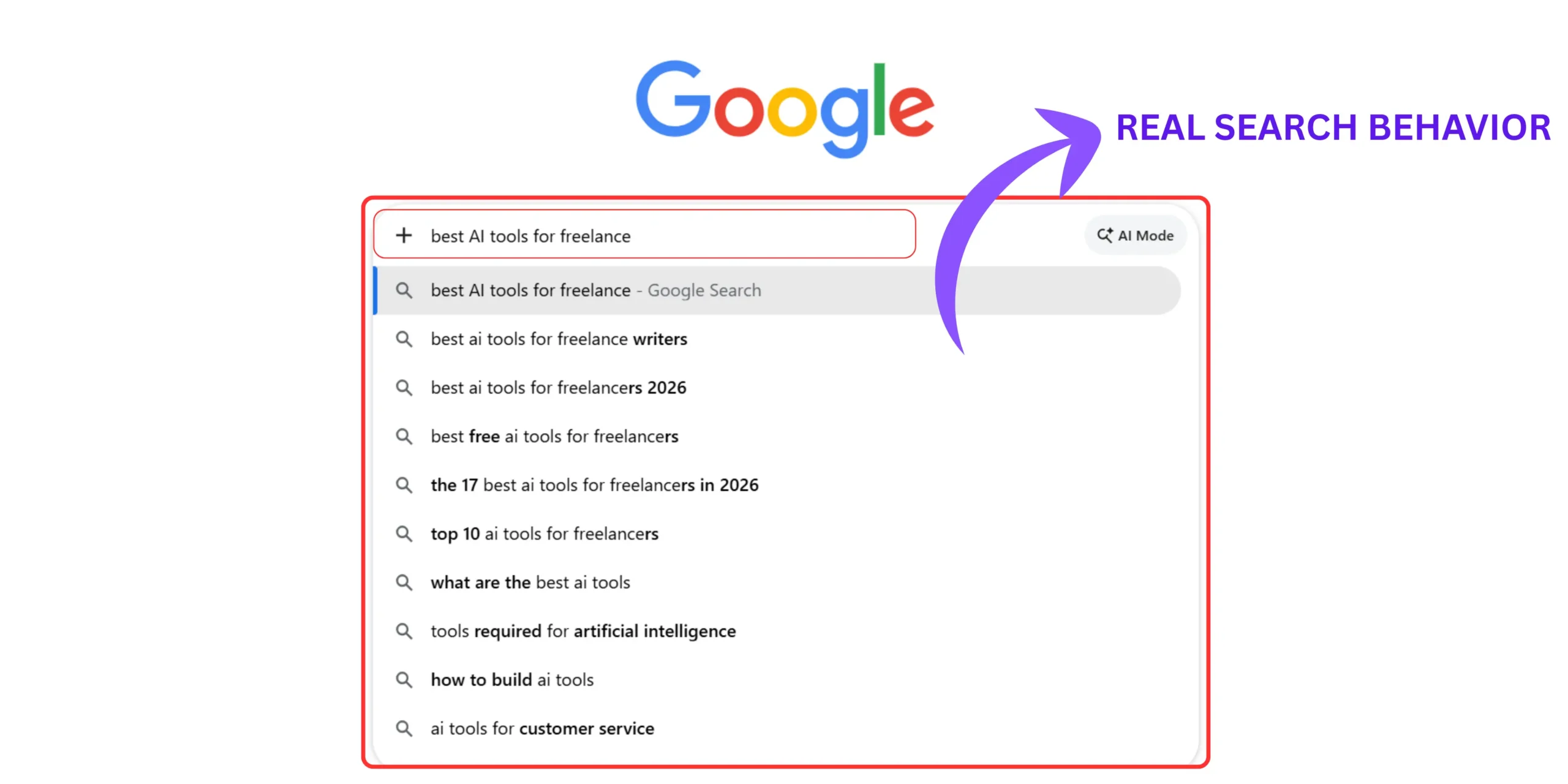
Type your niche topic into Google’s search bar in incognito mode. If the autocomplete dropdown fills with five or more specific, question-based suggestions, that’s demand confirmation at the basic level.
If autocomplete is empty or returns only broad, vague suggestions, the niche is either too narrow or too obscure to build a content strategy around.
Step 02 – Google keyword planner volume check
Open Google Keyword Planner (free with any Google Ads account, no spend required). Enter your core niche keyword and check monthly search volume.
Target medium-tail keywords with keyword difficulty under 40 that you can realistically rank for.
Even focused niches can generate significant revenue when monetization streams are strong – traffic volume alone does not determine profitability.
For a viable blog niche, you want to find at least five to ten keywords in the 1,000–10,000 monthly search range. If every keyword shows under 100 searches per month, the niche is too narrow for blog-based income at scale.
Step 03 – Google trends direction check
I will give you the fix most guides miss entirely.
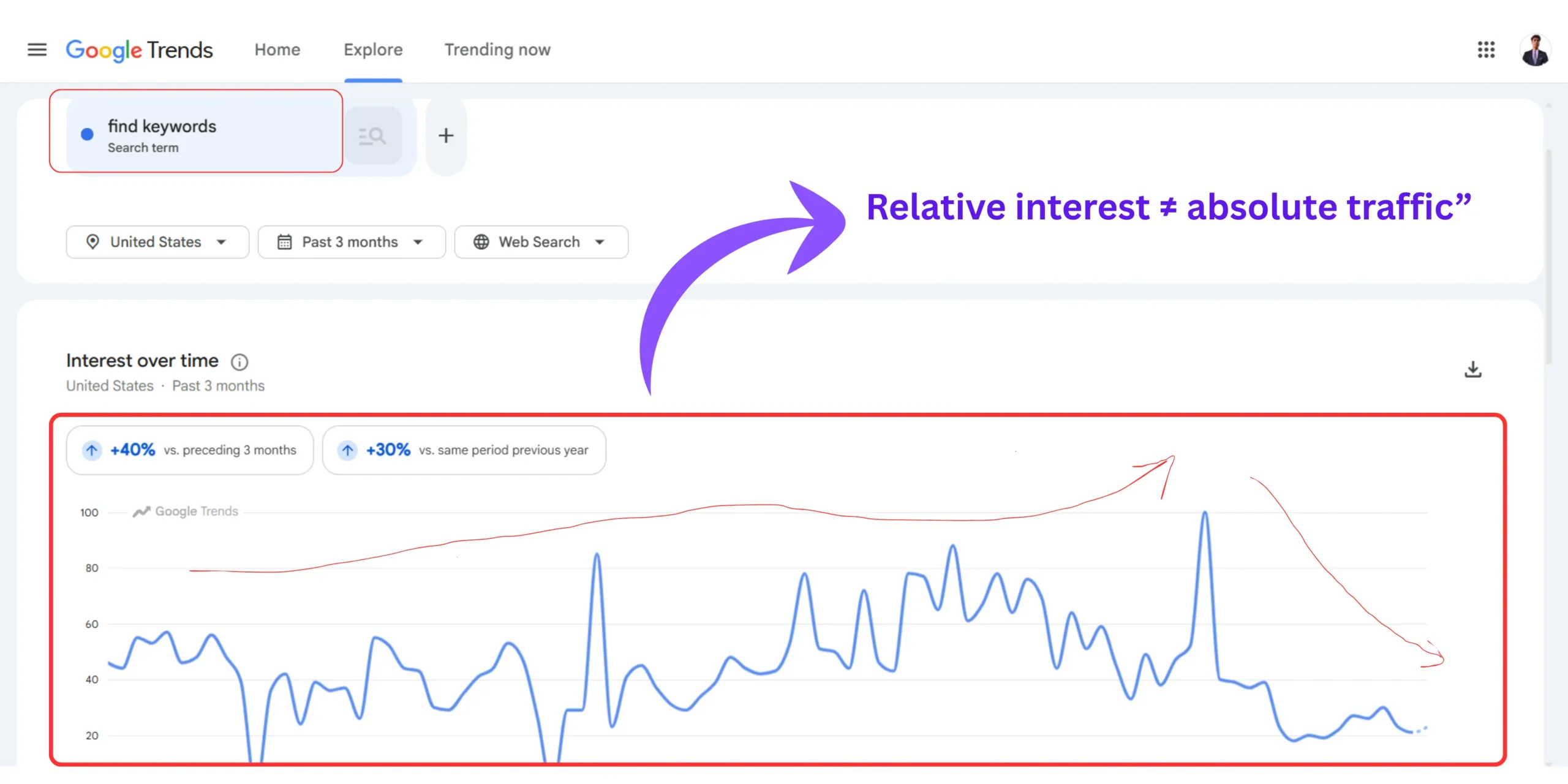
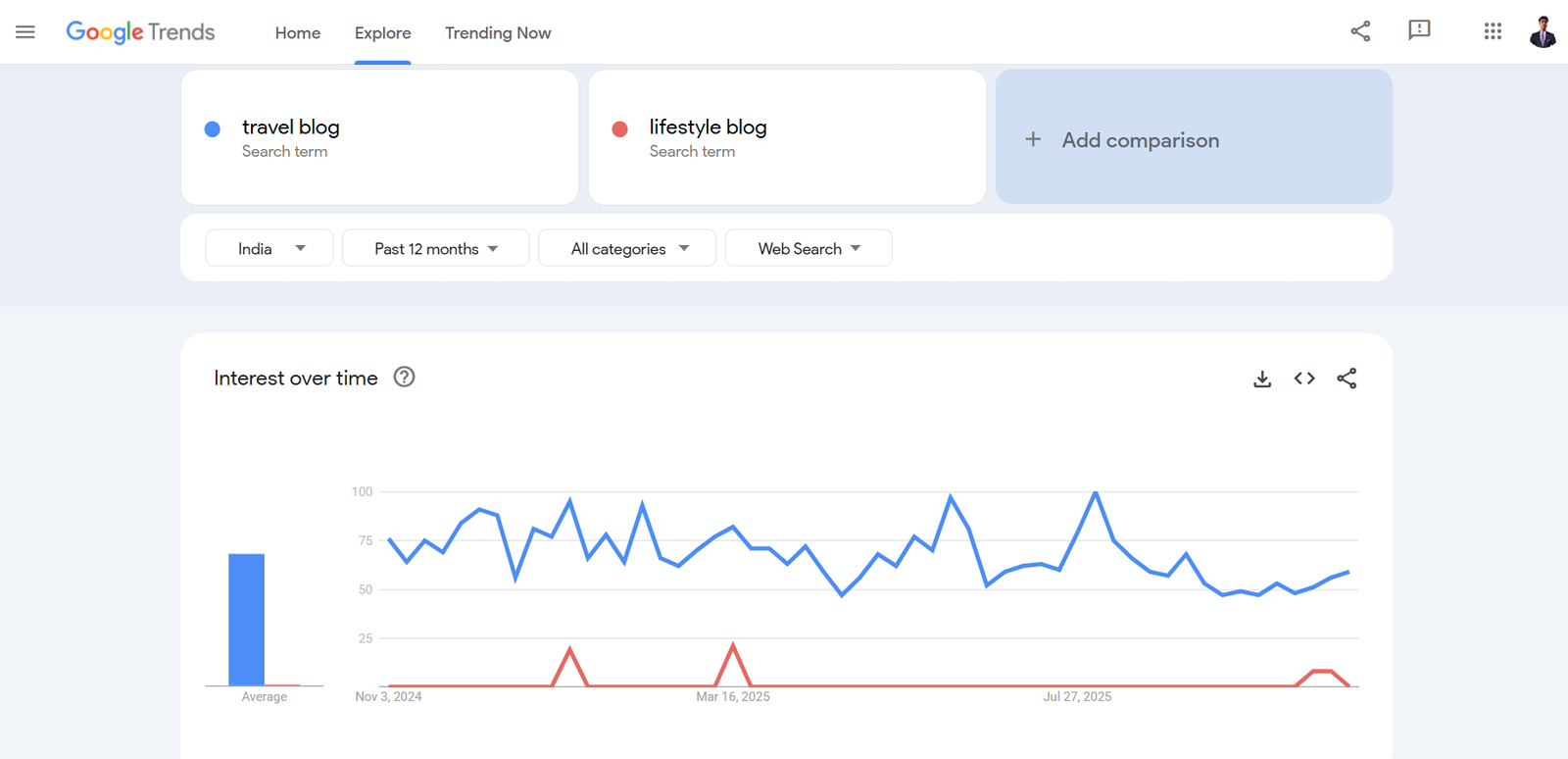
Google Trends does not show search volume. It shows relative interest direction over time – whether interest in a topic is growing, flat, or declining.
A topic showing 75 on Google Trends is not more popular than one showing 25. It is simply more popular relative to its own past.
How to validate blog niche demand for free correctly means using all three tools in sequence – never treating Google Trends as a volume metric.
The practical rule : if Keyword Planner confirms volume AND Google Trends shows a flat or upward line, the niche has validated demand worth investigating further.
How to do keyword research for a blog for free covers the full free keyword research workflow in detail – including the Alphabet Technique that generates 30-60 keyword ideas from any seed keyword in under ten minutes.
What Each Signal Actually Proves
Niche validation works best when you understand the limits of each research signal. A useful signal can provide evidence about one part of an opportunity without proving profitability, purchase intent, or ranking success by itself.
| Signal | What It Proves | What It Doesn’t Prove |
|---|---|---|
| Google Autocomplete | Related search behavior exists | Search volume |
| Keyword Planner | Estimated search demand | Profitability |
| Google Trends | Relative interest over time | Absolute traffic |
| Reddit discussions | People actively discuss a problem | Willingness to purchase |
| Affiliate programs | Monetization infrastructure exists | Your future earnings |
| SERP analysis | Current competitive landscape | Guaranteed ranking |
| Product reviews | Product-market activity | Affiliate conversion rate |
How to test a blog niche before buying a domain – 4-point niche validation matrix
How to test a blog niche before buying a domain uses the 4-Point Niche Validation Matrix – a systematic check across four dimensions: Demand (is anyone searching?), Monetization (are there products to promote?), Competition (can a new blog rank?), and Defensibility (can you build a unique, ownable angle?). A niche must pass all four to justify domain registration.
The DMCD Niche Profitability Score
The DMCD framework evaluates a blog niche across four dimensions — Demand, Monetization, Competition, and Defensibility — before you invest significant time or money into building the site.
Instead of relying on a single keyword metric, the framework combines search demand, commercial opportunity, SERP competition, and defensible advantages into a repeatable 100-point niche evaluation.
| Dimension | Weight | What You’re Measuring |
|---|---|---|
| Demand | 30 | Search demand, trend direction, and community activity |
| Monetization | 30 | Products, affiliate opportunities, commercial intent, and revenue diversity |
| Competition | 25 | SERP weakness, content gaps, and realistic entry points |
| Defensibility | 15 | Experience, unique angle, original research, and content moat |
| Total | 100 | Overall DMCD niche evaluation score |
I call this the 4-Point Niche Validation Matrix (DMCD) – the framework I built after losing nine months to a niche that passed my initial excitement test but failed every systematic check I should have applied first.
Beginners usually improve outcomes faster by choosing a focused micro-niche instead of broad market categories. Niche evaluation should combine demand, intent, margins, and risk.
Most beginners overestimate traffic potential and underestimate how long monetization takes to reach meaningful levels.
Here is how each point of the matrix works in practice :
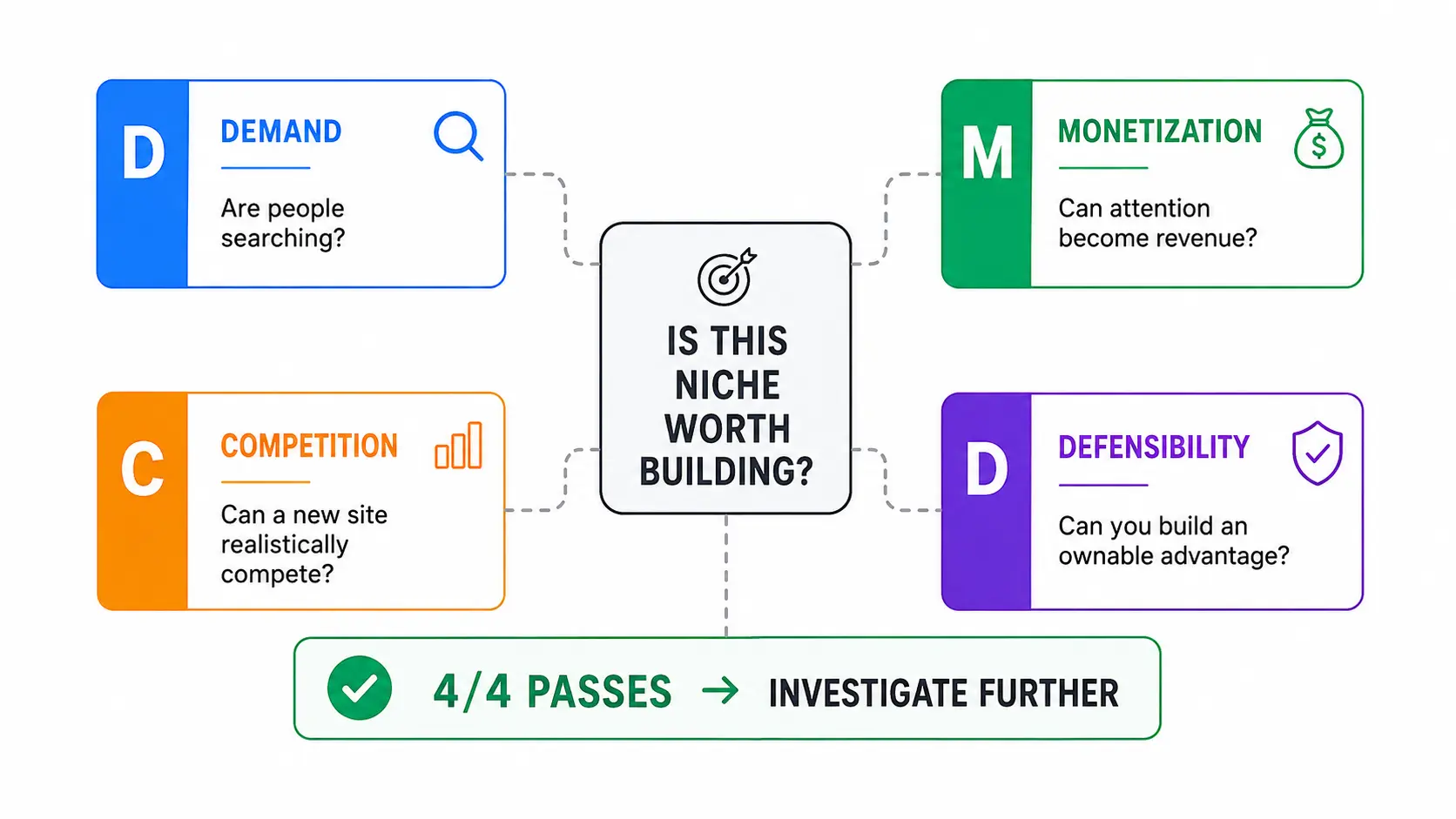
Beginners usually improve outcomes faster by choosing a focused micro-niche instead of broad market categories.
Niche evaluation should combine demand, intent, margins, and risk. Most beginners overestimate traffic potential and underestimate how long monetization takes to reach meaningful levels.
Here is how each point of the matrix works in practice:
D – Demand
Answered by the three-tool demand check in the previous section. To pass this point, you need:
- At least 5 keywords with 1,000+ monthly searches
- Google Trends showing flat or upward direction
- Active discussions on Reddit or Quora proving people are actively asking questions in this space
M – Monetization
This is the point most beginners skip and it’s the costliest skip. A niche with strong demand but no viable monetization path produces traffic that earns nothing.
Check: Do at least 30 affiliate programs exist for products in this niche? (Detailed in the next section.)
C – Competition
Can a new blog realistically rank for this niche’s core keywords within six to twelve months? The competition check is not about avoiding all competition – it’s about identifying whether the first-page results for your target keywords include pages a new blog can outperform.
D – Defensibility
Can you build a unique angle in this niche that established competitors don’t own? Defensibility is the long-term question – it determines whether you’re building a sustainable content moat or chasing a crowded topic with no differentiation.
DMCD Niche Validation Example
The DMCD framework becomes more useful when you apply it to a real niche. Below is an illustrative comparison showing how Demand, Monetization, Competition, and Defensibility can be scored before committing to a blog.
Example: “AI tools for freelance designers”
D — Demand
23/30- Keyword demand
- Google Trends direction
- Autocomplete suggestions
- Reddit discussions
- PAA questions
M — Monetization
26/30- SaaS affiliate programs
- Recurring commissions
- Paid products
- Templates
- Courses and commercial queries
C — Competition
18/25- SERP dominated by major SaaS sites
- Smaller independent sites ranking for long-tail questions
- Several weak content gaps
D — Defensibility
13/15- Firsthand testing
- Specific audience
- Original workflows
- Comparison data
Total DMCD Score
80/100
Proceed
- Keyword demand
- Google Trends direction
- Autocomplete suggestions
- Reddit discussions
- PAA questions
- SaaS affiliate programs
- Recurring commissions
- Paid products
- Templates
- Courses and commercial queries
- SERP dominated by major SaaS sites
- Smaller independent sites ranking for long-tail questions
- Several weak content gaps
- Firsthand testing
- Specific audience
- Original workflows
- Comparison data
Comparison: “General AI tools”
A broad AI-tools niche may have substantial demand, but broader competition, weaker positioning, and lower defensibility can make it a less attractive starting point for a focused new blog.
How to choose the perfect blog niche covers the full niche selection decision in depth. For the specific warning signs that your niche is spread too wide before you start, How specific should a blog niche be? 5warning signs your blog niche is too broad and addresses the exact mistakes that kill topical authority before a blog gains any traction.
How to check affiliate potential of a blog niche – The pre-domain affiliate audit
Checking the affiliate potential of a blog niche before buying a domain requires verifying three things: that at least 30 active affiliate programs exist in the niche, that at least one program offers commissions above 20%, and that the products being promoted have genuine buyer demand confirmed by Amazon Best Sellers or product review search volume. This audit takes under 45 minutes.
This is the single most important validation step and the one I skipped in year one.
The 5 step affiliate audit I used :
- Search ShareASale – (shareasale.com/merchants) → type your niche keyword in the merchant search → if fewer than 10 merchants appear, the niche has limited affiliate infrastructure
- Search CJ Affiliate – (cj.com) → repeat the same search → together with ShareASale, this gives you a broad view of the established affiliate ecosystem
- Check Amazon Associates – search your niche on Amazon → if fewer than 20 products appear in the relevant category, buyers aren’t purchasing in this space
- Check one SaaS affiliate program directly – if your niche includes any software or tools, search “[niche] + affiliate program” in Google → target programs offering 20-50% recurring commissions with cookie durations of 180+ days
- Count the total programs – if fewer than 30 total programs exist across all sources, do not register the domain
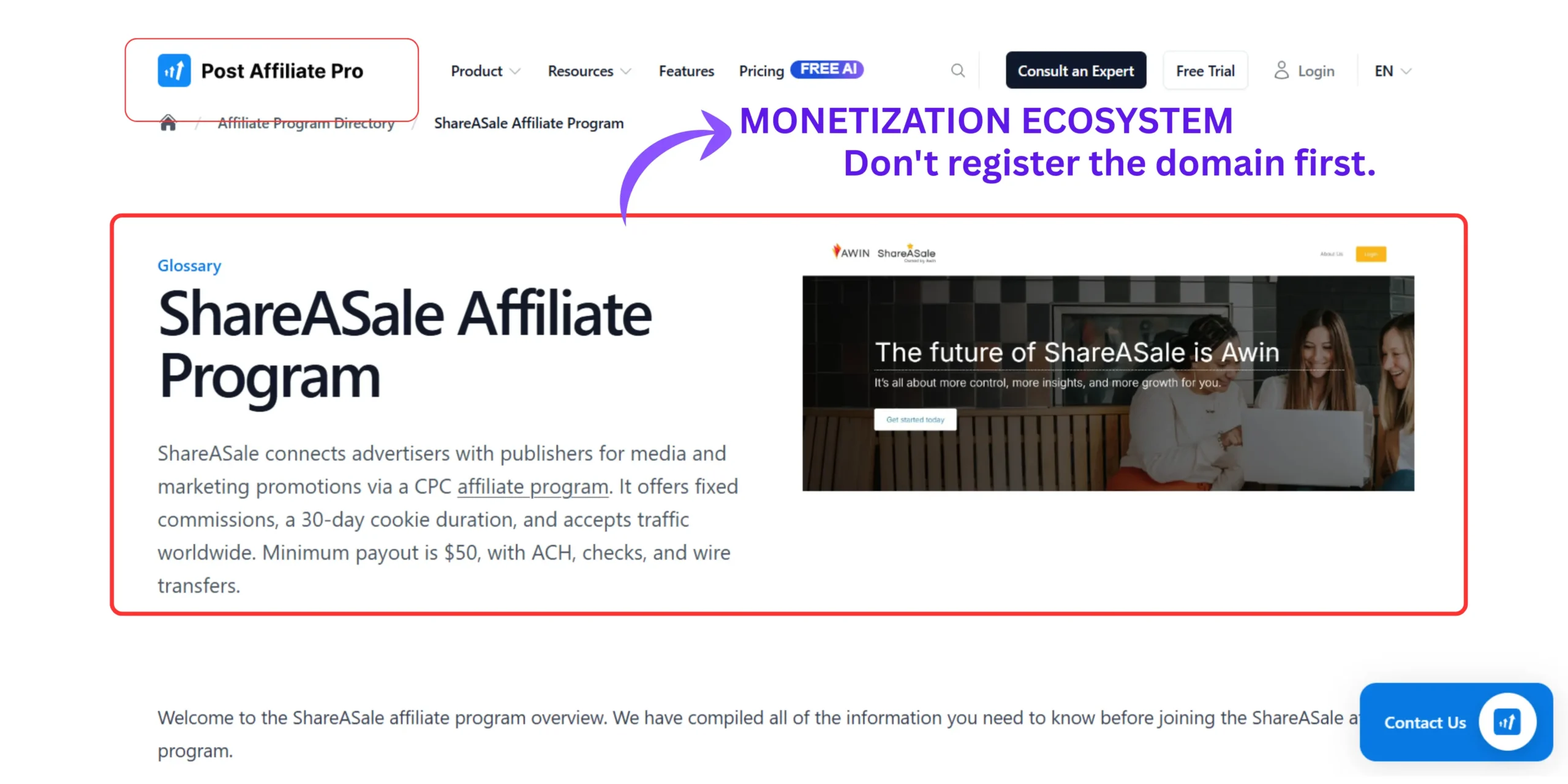
Check affiliate programs for commission rates targeting 20-50%, EPC (earnings per click), cookie duration of 180+ days, and trust signals from ShareASale, CJ Affiliate, and direct SaaS programs. Target micro-niches with validated monetization potential rather than broad categories with high competition and low commissions.
How to check affiliate potential of a blog niche using this audit gives you a monetization signal before committing any publishing effort. The goal is not to find perfect programs, it’s to confirm the infrastructure exists.
Ideal Signals vs. Red Flags
Before committing to a niche, compare its affiliate ecosystem against these practical signals. Strong monetization opportunities usually show multiple positive indicators, while several red flags suggest that further validation may be necessary.
| Factor | Ideal Signal | Red Flag |
|---|---|---|
| Program count | 30+ active programs | Under 10 programs found |
| Commission rate | 20–50% per sale | Under 5% flat rate |
| Cookie duration | 90–180+ days | Under 30 days |
| Product demand | Amazon 1,000+ reviews on relevant products | Under 50 reviews on category leaders |
| Recurring revenue | At least one SaaS program with monthly commissions | No recurring options available |
Important: These are screening signals, not universal profitability rules. Evaluate the complete monetization ecosystem, including buyer intent, product fit, commission value, recurring revenue, and revenue diversity.
Best affiliate programs for beginner bloggers in 2026 maps the specific programs and commission structures available across different niches.
And high ticket vs low ticket affiliate marketing for beginner bloggers covers how your niche’s commission structure determines your income ceiling long before traffic numbers come into play.
How to check affiliate potential of a blog niche is the validation step that separates a blog built for traffic from a blog built for income.
How to tell if a blog niche is too competitive – The SERP reality check
A blog niche is too competitive when the first page of Google results for your core keywords is dominated by sites with 100,000+ backlinks, Wikipedia pages, or government and educational domains. Keyword difficulty scores over 40 on any free tool confirm this. A niche is workable if the first page includes at least two to three smaller blogs or newer sites with under 500 referring domains.
This is where beginner bloggers make their second most costly mistake – after skipping the affiliate audit.
They check keyword difficulty in a free tool, see a score of 35, and assume they can rank. They don’t open Google and actually look at the pages ranking on page one.
The SERP reality check takes four minutes:
- Search your core niche keyword in an incognito browser
- Look at the first page of results
- Identify the site types: large media, Wikipedia, Reddit, or smaller independent blogs?
- If Reddit or Quora forums are on page one – that’s a strong signal the niche has demand but not enough authoritative content to fill the SERP. New blogs can win there.
- If Wikipedia and Forbes dominate every position, back to the Matrix
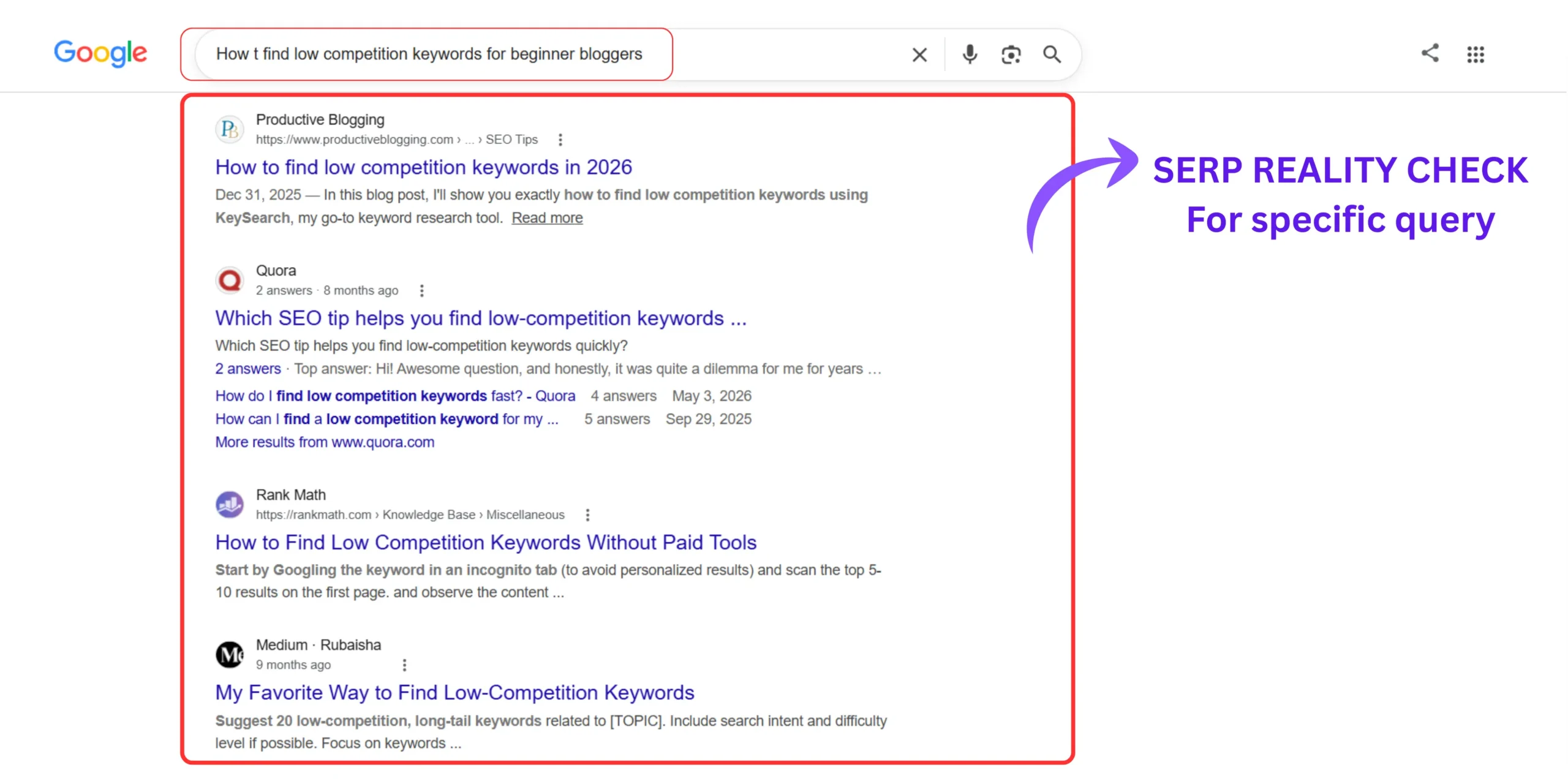
Narrow sub-niches are generally better for new affiliate marketers. Instead of targeting ‘fitness,’ focus on ‘home workout routines for beginners’ or ‘fitness for people over 50.’ Sub-niches have less competition, more targeted audiences, and higher conversion rates. As you grow, you can expand into related sub-niches.
How to tell if a blog niche is too competitive is ultimately a SERP pattern question, not a keyword difficulty number question.
The specific failure mode I’ve watched repeatedly : bloggers entering a niche that tests “medium difficulty” in Ubersuggest, only to discover every ranking page is from a site with a 10-year-old domain and 50,000 backlinks. Medium difficulty for an established site is not medium difficulty for a new blog.
Why your blog is not getting traffic after 6 months documents the specific patterns that indicate a niche competition problem versus a content quality problem, because they require different fixes.
And if you want the detailed analysis of why blogs built on the wrong niche compete at a structural disadvantage regardless of effort, why most blogs fail before making money maps the failure patterns that start at niche selection and compound over time.
Community pain point scraping – The Reddit and Quora method that reveals what keyword tools miss
Here is the information gap every blog niche guide skips and the specific technique that led me to my most profitable blog content angles.
Keyword tools show you what people search. Reddit and Quora show you what people are frustrated enough to spend money solving.
Those are different datasets. And for niche validation, the second dataset is more valuable.
The community pain point scraping process :
- Go to Reddit and search your niche keyword
- Look for posts with 50+ upvotes and 10+ comments – these signal genuine community engagement
- In the comment sections, identify recurring frustrations – the problems that come up again and again
- Copy those exact phrases into Google → if they generate autocomplete results and Keyword Planner volume, you’ve found commercial content angles that tools alone wouldn’t surface
- Repeat on Quora → search the niche → look for questions with 50+ followers → the follower count signals how many people have the same unresolved question
I ran this process across three potential niches before my current blog. The niche I chose had Reddit threads with 200+ comments on a single pain point – compared to the other two niches where engagement was minimal despite similar keyword volumes.
Community engagement is a demand validation signal that no free tool measures directly.
It shows whether people care enough about a topic to discuss it, which is a stronger predictor of content engagement than search volume alone.
Turn Community Frustration Into Commercial Signals
Reddit and Quora can reveal recurring problems that keyword tools may not surface. However, frustration does not automatically mean purchasing intent. Treat community conversations as evidence of problem intensity, then look for signals that suggest a possible commercial opportunity.
Look for These Commercial Signals
- “What tool should I use?”
- “Which is better?”
- “What should I buy?”
- “Is X worth it?”
- “What alternative exists?”
- “I’ve tried X and it doesn’t work.”
- “What’s the best solution for…?”
- “How much does X cost?”
How to build a Notion blog content planner for topical authority shows how to organize the content angles you discover from this scraping process into a structured publishing calendar, so the validation research translates directly into post ideas.
The Search Intent Ladder
Search intent becomes increasingly commercially valuable as people move from understanding a topic to evaluating solutions and eventually deciding what to buy. Use this ladder to identify where a niche’s audience sits in the journey from problem to purchase.
What every niche validation guide gets wrong – The passion first myth
Most beginner blogging advice still starts with: “Choose a niche you’re passionate about.”
That advice is comfortable. It’s also structurally backwards for anyone who wants to earn income from blogging.
Passion sustains effort. It does not validate demand. It does not confirm affiliate programs exist. It does not tell you whether the SERP is winnable.
A profitable niche sits at the intersection of demand, monetization potential, and your ability to create consistent content around it. Once you understand how these factors work together, choosing a niche becomes much easier and far more strategic.
The correct sequence is: validate first, then discover passion. Every niche that passes the DMCD Matrix is a niche you can develop authentic expertise in through consistent publishing, regardless of whether you entered it with pre-existing passion.
I had zero passion for the blogging niche before I started writing about it. What I had was validated demand (millions of beginner bloggers searching for help), a strong affiliate ecosystem, winnable keyword difficulty for a new domain, and a defensible angle (beginner-first, no-code, personal experience documented in real time).
The passion developed as the results compounded.
Early income psychology for beginner bloggers addresses the mindset layer of this – specifically why waiting to feel passionate about a topic before validating it is the emotional pattern that keeps most bloggers in the research phase indefinitely.
Frequently asked questions on How to test if a blog niche is profitable
How do I know if my blog niche will make money?
A blog niche will make money if it passes four checks: active search demand (1,000+ monthly searches on core keywords), at least 30 affiliate programs, winnable competition for a new domain, and a defensible content angle.
Passion alone is not a profitability signal. Run the 4-Point Niche Validation Matrix – Demand, Monetization, Competition, Defensibility, before registering a domain or writing a single post.
What makes a blog niche too competitive for a beginner?
A niche is too competitive when every first-page Google result belongs to sites with 100,000+ backlinks, Wikipedia pages, or established media brands. Keyword difficulty scores above 40 on free tools confirm this for new domains.
The practical test: open Google in incognito and search your core keyword. If Reddit or Quora threads rank on page one, the niche has demand with a gap new blogs can fill.
How many affiliate programs should exist in a niche before I start a blog?
At least 30 active affiliate programs across ShareASale, CJ Affiliate, and Amazon Associates combined. Fewer than 10 programs signals a niche with limited income infrastructure regardless of traffic potential.
This is the affiliate audit that should happen before domain registration, not six months after publishing. Commission rates should target 20-50%, with at least one program offering recurring monthly commissions for sustainable income.
Can I validate a blog niche without paid tools?
Yes – Google Autocomplete, Google Keyword Planner, Google Trends, Reddit, and Quora provide all the validation data a beginner needs at zero cost.
Google Trends tracks relative interest direction, not total volume, a common misconception that leads beginners to misread data. Pair it with Keyword Planner for actual search volume, then confirm buyer intent by scanning Reddit threads for recurring pain points with 50+ upvotes.
How long does it take to know if a blog niche is profitable?
A complete niche validation – demand check, affiliate audit, SERP analysis, and community scraping, takes under two hours using free tools. You should have a clear profitable or not-profitable signal before committing a domain registration.
The nine-month mistake most beginner bloggers make is publishing first and validating later. Two hours of upfront validation eliminates the most expensive mistake available to someone starting a blog from scratch.
What is the difference between a blog niche and a blog topic?
A blog topic is what you write about. A blog niche is the specific audience, problem, and monetization angle that makes writing that topic profitable.
“Fitness” is a topic. “Home workout routines for women over 40 who can’t afford a gym” is a niche with a defined audience, targeted keywords, lower competition, and a clear affiliate ecosystem around equipment and digital programs.
Validate the niche before you name the blog – Here is where to start
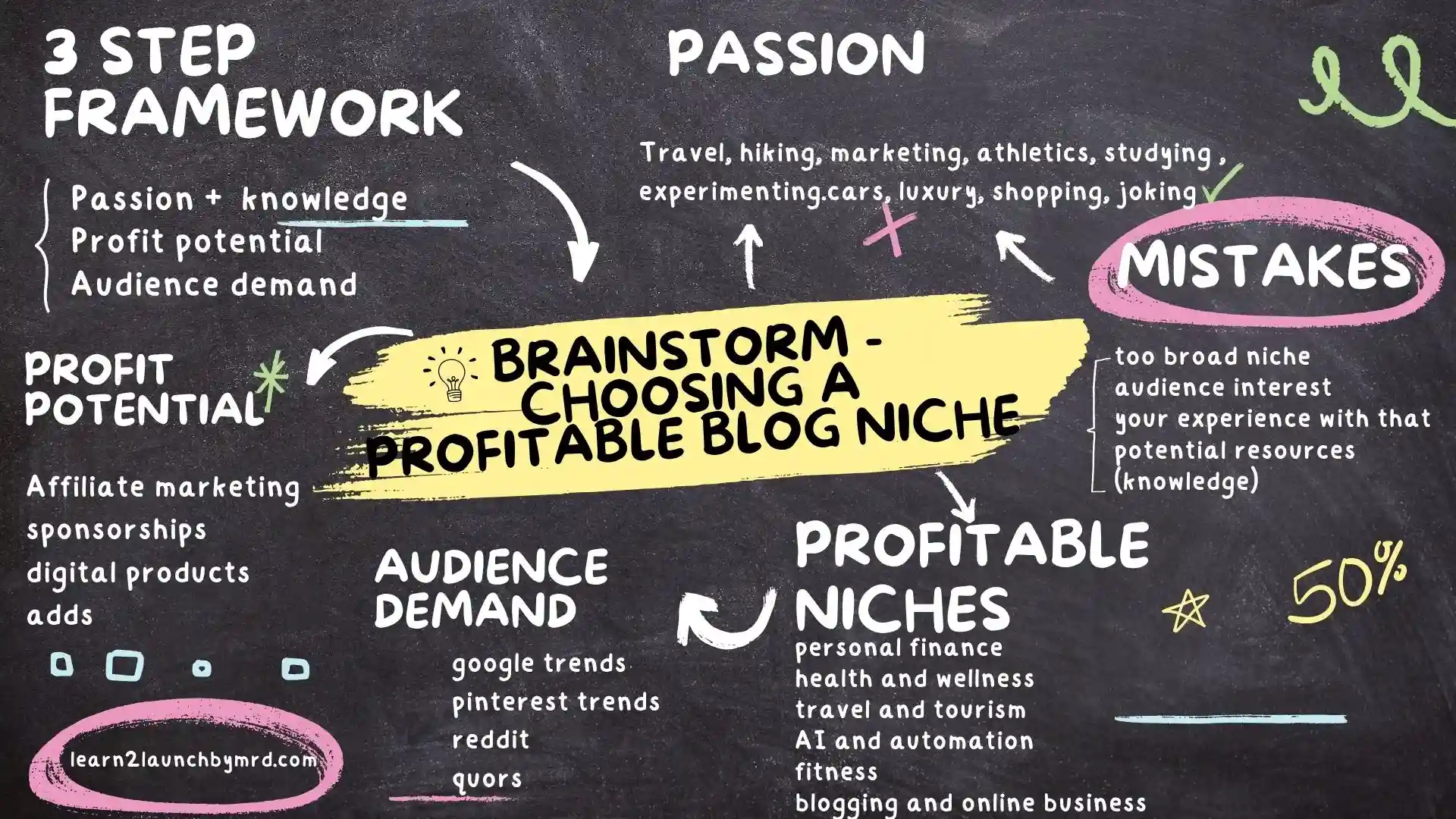
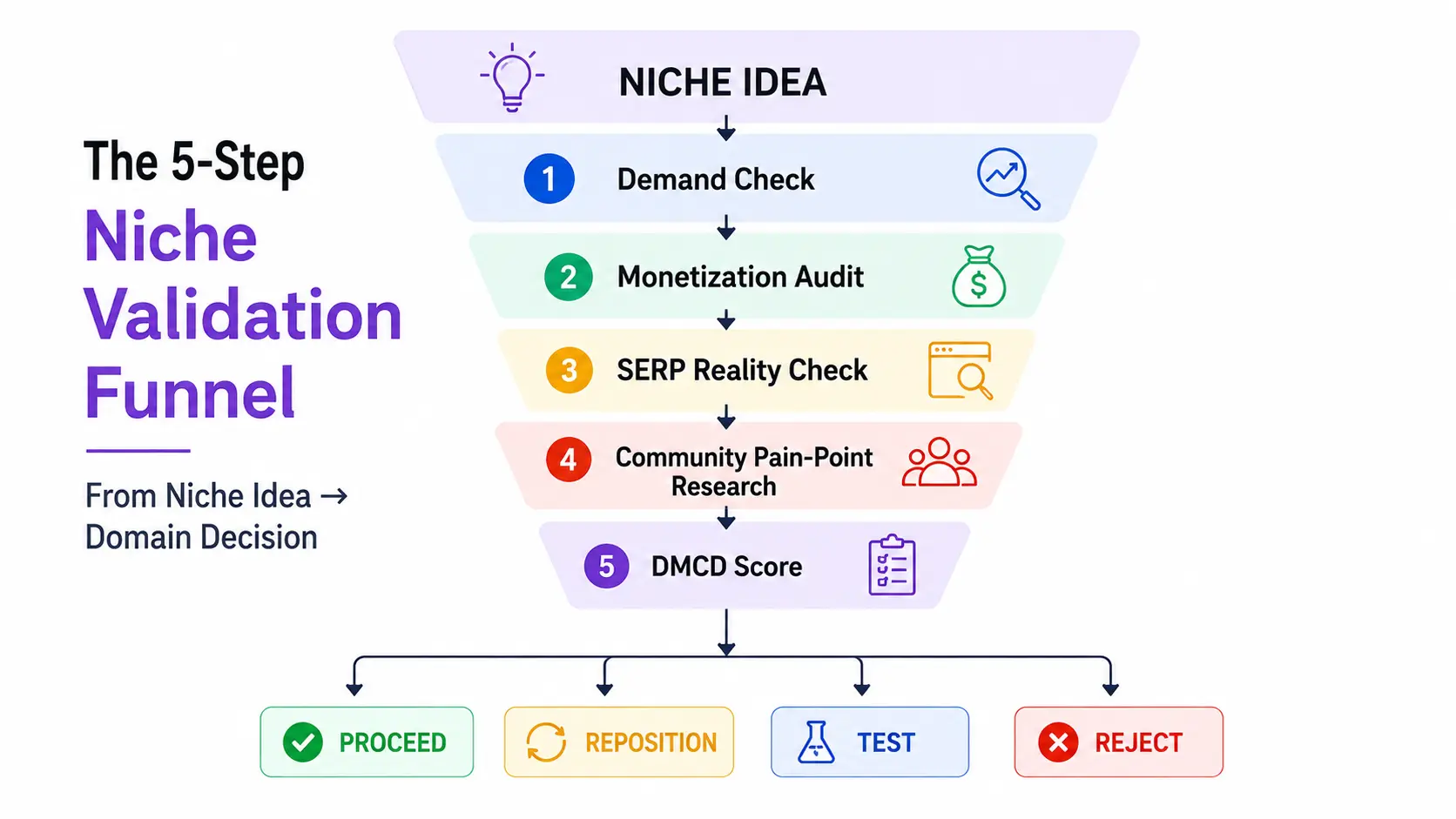
Testing whether a blog niche is profitable is not a gut-feel exercise. It’s a four-point, five-step protocol that takes under two hours and saves you from the most expensive mistake available to a beginner blogger.
The 4-Point Niche Validation Matrix (DMCD) gives you a structured decision framework. Run every niche idea through Demand, Monetization, Competition, and Defensibility before committing a domain, a blog name, or a single published post.
How to test if a blog niche is profitable means asking four questions in sequence, finding documented evidence for each, and only moving forward when all four pass.
The bloggers consistently earning above the 73% median threshold are not more talented or more prolific. They chose niches with verified demand, strong affiliate infrastructure, and realistic competition levels before starting.
That decision, made correctly in the first two hours – compounds into income over the following years. Made incorrectly, it becomes nine months of wasted work.
Validate the demand. Run the affiliate audit. Do the SERP reality check. Scrape the community pain points. Then name the blog.
Which of the four DMCD Matrix points is your current niche idea strongest on and which one are you least confident it passes?