

Are you struggling to get your blog noticed on Google ? Learning how to optimize blog posts for SEO is the key to turning your content from invisible to highly discoverable. For many beginners, blogging feels like shouting into a void but with the right SEO tips for new bloggers and a clear beginner SEO checklist you can start ranking your posts and attracting organic traffic without spending years guessing what works.
SEO might seem overwhelming at first but understanding the basics can make a huge difference. Here’s why it matters,
- Boost your visibility – Optimized blog posts are more likely to appear in Google search results, bringing you consistent traffic.
- Attract the right audience – Using targeted keywords helps you reach readers who are genuinely interested in your content.
- Build authority – Well structured, SEO friendly posts signal to search engines and readers that your blog is trustworthy.
- Save time in the long run – A clear SEO strategy means each post works harder for you, increasing engagement and conversions.
- Avoid beginner mistakes – Common errors like keyword stuffing or poor formatting can prevent your content from ranking.
In this post, we’ll walk you through a step by step guide to optimize posts that are beginner friendly, actionable and designed to help your blog grow steadily. By the end, you’ll have a clear plan to make every blog post SEO ready.
If you haven’t published much yet, SEO might feel overwhelming. The good news is that learning how to write your first blog post for beginners gives you a clean starting point. When your first post follows SEO best practices, every future post becomes easier to optimize.
Table of Contents – How to optimize blog posts for SEO beginners
Understanding SEO basics for blog posts
Before you dive into optimizing your blog posts, it’s essential to understand SEO in simple, practical terms. SEO or search engine optimization , is the process of making your blog content easy for both reader and search engines to find , understand and value. Think of it as setting up your content so Google knows it’s worth showing to the right people.
SEO isn’t just about traffic , it’s about intent. Even a small, well optimized blog can earn if it targets the right keywords. That’s why understanding how to monetize a blog with low traffic goes hand-in-hand with SEO. When your posts are optimized properly, you attract readers who are more likely to convert.
For beginners, mastering the basics can feel overwhelming but starting here will save you a lot of frustration.
On page VS off page SEO
SEO is usually split into two main areas,
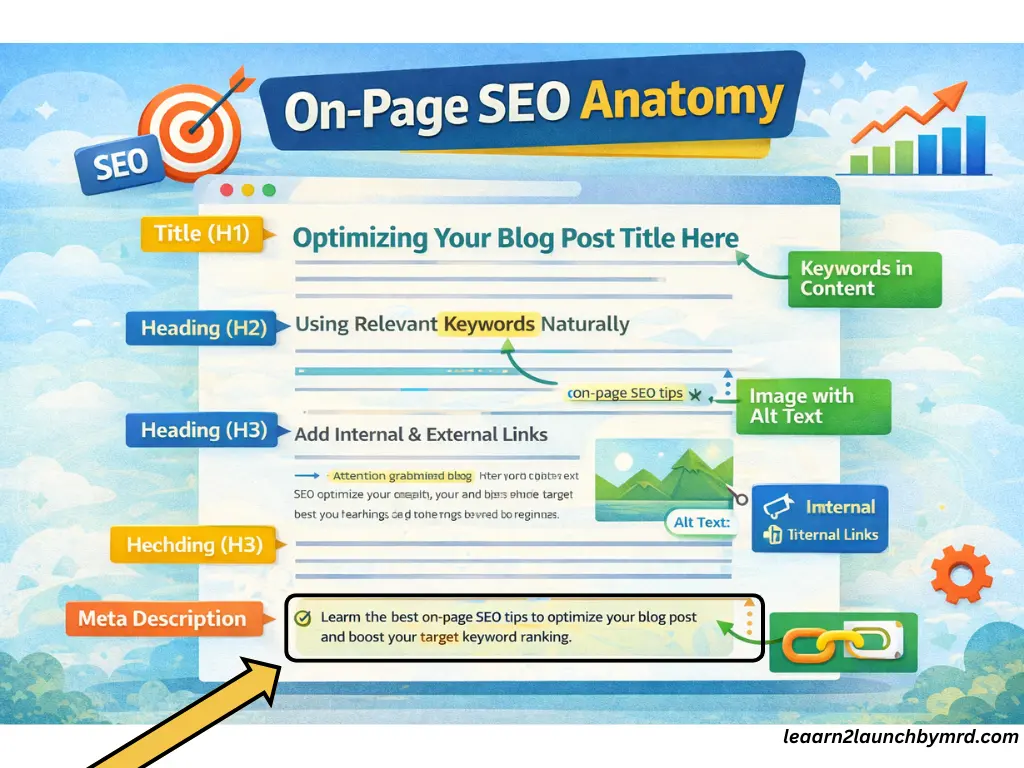
- On page SEO – Everything you do within your blog post to make it rank better. This includes your titles, headings, meta descriptions, keywords, images, links and content structure.
- Off page SEO – Actions outside your blog that influence rankings, like backlinks from other websites or social shares.
As a beginner, your first focus should be on-page SEO, because it’s fully under your control and directly impacts how Google understands your content.
How Google ranks blog posts
Google uses complex algorithms to decide which pages show up first. While you don’t need to memorize every detail, here are the basics.
- Google looks for relevant content that answers the users query.
- Clear SEO content structure with headings and bullet points makes your posts easier to read.
- Pages that load fast , include visuals and have internal links signal quality and improve ranking .
Why beginners should understand SEO basics
Starting with the fundamentals helps you,
- Avoid common mistakes like keyword stuffing or messy formatting.
- Make your posts more discoverable without spending years learning advanced SEO.
- Build a solid foundation for long-term blogging success.
By mastering these beginner friendly SEO blog optimization tips, you’re setting your blog up for growth, visibility and authority step by step, post by post.
Many beginners delay SEO optimization because they believe they need to be experts first. In reality, learning how to create content without being an expert is a powerful advantage. When you write from a learner’s perspective, your content becomes more relatable, easier to optimize for SEO and more aligned with what real beginners are searching for.
How to do keyword research for beginners
If you want your blog posts to rank and attract the right audience, understanding keyword research for beginners is a must. Think of keywords as the bridge between what people are searching for and the content you create. The better your keywords match user intent, the higher your chances of getting noticed.
Start with free tools
You don’t need expensive tools to get started. Some beginner friendly options include,
- Google keyword planner – Free and reliable, shows search volume and competition.
- Ubersuggest – Great for finding long tail keywords and ideas.
- AnswerThePublic – Shows common questions your audience is asking.
These tools help you discover what people are typing into Google, so you can create content that truly meets their needs.
Main vs Long tail keywords
- Main keyword – Short, broad phrases like “ blog SEO ” or “ optimize blog posts.”
- Long tail keyword – Longer, more specific phrases like “ how to optimize blog posts for SEO beginners.” These often have less competition and attract more targeted traffic.
Start with one main keyword and 2 – 3 long tail variations per post.
As a example “Choosing a target keyword”
Imagine you’re writing a post on blog SEO. You might choose
- Main keyword – how to monetize blog posts for SEO
- Long tail keyword – Beginner SEO checklist , SEO tips for new bloggers
This ensures your content aligns with what beginners are actually searching for.
Avoid keyword stuffing
Adding too many keywords can make your writing unnatural and hurt your rankings. Focus on placing them naturally in titles, headings, meta descriptions and content.
By mastering keyword research, you’re laying a strong foundation for your blog. It helps you write content that Google loves and readers actually want to read.
One of the biggest SEO mistakes beginners make is misusing keywords. Instead of stuffing them everywhere, understanding how to use keywords the right way helps you place them naturally in titles, headings and content , making your blog readable for humans and trustworthy for search engines.
Creating SEO friendly blog titles and meta descriptions
One of the most overlooked steps for beginners is how to write SEO titles and meta descriptions. These are often the first things readers see on Google, so crafting them correctly can make a huge difference in your traffic.
Writing attention grabbing blog titles
Your blog title should do two things: attract readers and include your main keyword naturally. Here’s how,
- Keep it under 60 characters so it doesn’t get cut off in search results.
- Use power words like “beginner friendly” or “Ultimate guide” to make it more clickable
- Include your main keyword near the beginning . EXAMPLE – “How to optimize blog posts for SEO : beginner friendly guide”
Creating effective meta description
Meta descriptions summarize your post for search engines and influence Click through rate (CTR) . A good meta description should ,
- Be around 145 characters
- include your main keyword naturally
- Highlight what readers will gain , tips checklists or strategies
EXAMPLE – Learn how to optimize blog posts for SEO beginners with step by step tips, checklists and strategies to rank faster.
Why CTR matters for SEO
A higher CTR signals to Google that your content is relevant and valuable. Optimized titles and meta descriptions increase clicks , traffic and ultimately your rankings.
By following the beginner SEO checklist , you’re ensuring that your blog doesn’t just exist it gets noticed and clicked, helping your posts rank higher and attract the right audience.
SEO titles and meta descriptions work just like social media hooks. If you struggle with grabbing attention, learning how to write hooks for social media as a beginner can improve your click-through rates. The same principles, clarity, curiosity and relevance, apply to both SEO titles and content previews.
Writing high quality , SEO friendly content
Once you’ve done your keyword research and set up your titles and meta descriptions, it’s time for the heart of your blog , writing SEO friendly blog content . This is where your post actually delivers value to readers and signals to Google that your content is worth ranking.
Follow a beginner friendly structure
A well structured post makes your content easy to read and helps search engines understand it. Here’s a simple layout,
- Introduction – Hook readers, introduce the topic and include your main keyword naturally.
- Body – Break content into clear sections with headings ( H2, H3 ) and bullet points.
- Conclusion – Summarize key points and include a call to action.
Use headings for SEO
Headings aren’t just for readability, they tell Google what each section is about.
- H1 – Your blog title (should include the main keyword)
- H2 – Major sections
- H3 – Sub sections under H2 for details or examples
Place keywords naturally
Avoid forcing keywords. Instead, integrate them where they fit naturally,
- In headings
- In the first 100 words of your post
- In a few sentences throughout the body
Add value with examples and visuals
Search engines favor content that provides real value . You can,
- Include practical examples to explain complex ideas
- Use screenshots or images to illustrate points
- Share tips from personal experience or beginner friendly checklists
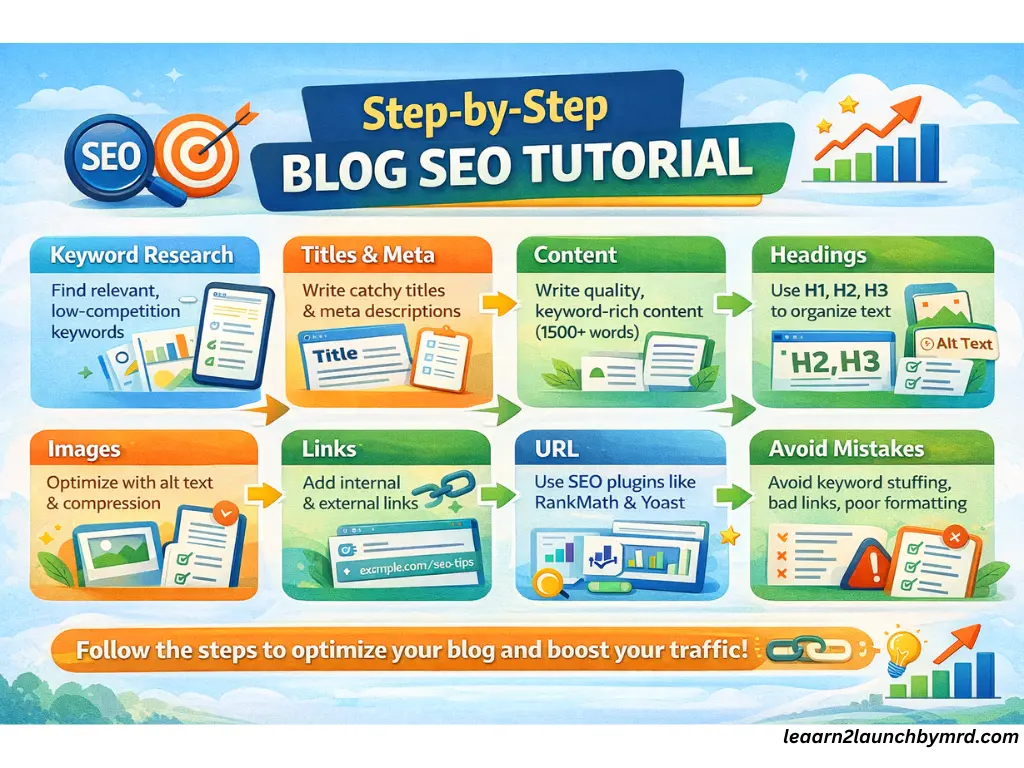
Step by step blog SEO tutorial approach
Think of your post as a step by step guide . Break down actions for beginners so they can follow along easily,
- Step 01 – Choose your keyword
- Step 02 – Write an optimized title and meta description
- Step 03 – Structure content with headings
- Step 04 – Add examples, visuals and natural keywords
By writing SEO friendly content in this structured, readable way, your posts will not only help readers but also signal to Google that your blog deserves a high ranking. Over time, consistent quality content builds authority, traffic and trust.
If you feel stuck during content creation, tools can help speed things up without sacrificing quality. Knowing how to use ChatGPT to write blog posts for beginners can support SEO by helping you structure content, generate outlines and improve readability, while still keeping your voice natural and human.
Use headings , sub headings and formatting for SEO
Have you ever come across a blog post that seemed to be endless? You know it’s difficult to read? Because of this, SEO content structure is essential for both Google and your audience. When headings, subheadings and formatting are used correctly, your content remains structured, readable and interesting.
Why headings matter
Headings are like signposts. They tell readers and search engines what each section is about. Using headings effectively improves ,
- Readability – Helps readers scan quickly and find what they need.
- SEO – Signals Google about the content hierarchy and relevance.
- Engagement – Well structured posts keep readers on your page longer.
Propper H1 , H2 , H3 usage
- H1 – Your main blog title (one per post, include main keyword).
- H2 – Major sections of your post (like “Keyword Research for Beginners”).
- H3 – Sub points or examples under each H2.
Formatting for scannability
Beyond headings, formatting helps readers digest content fast,
- Bullet points to highlight lists or steps
- Bold for key terms or takeaways
- Italics for emphasis or tips
Follow a simple beginner SEO checklist , Use one H1, multiple H2s for main ideas, H3s for details, and format text to guide the reader’s eyes naturally. This not only helps your audience but also signals to google that your content is well structured and valuable .
A well formatted blog post isn’t just easier to read, it’s more likely to rank higher, attract clicks and build trust with your audience.
Optimizing images and media for SEO
Have you ever gone to a blog that had images that didn’t make sense or took a long time to load? Insufficiently optimized media can lower your rankings and frustrate readers. One easy way to improve your blog’s speed, engagement and discoverability is to optimize your images for search engines.
Why images matter
Visuals aren’t just for decoration, they,
- Grab attention and make content more readable
- Help explain complex ideas quickly
- Increase time spent on your page, which Google notices
Beginner friendly SEO tips for beginners
Follow these simple steps for every image you add,
- Add alt text with keywords – Describe the image clearly using your target keyword. Example: “how to optimize blog posts for SEO checklist.”
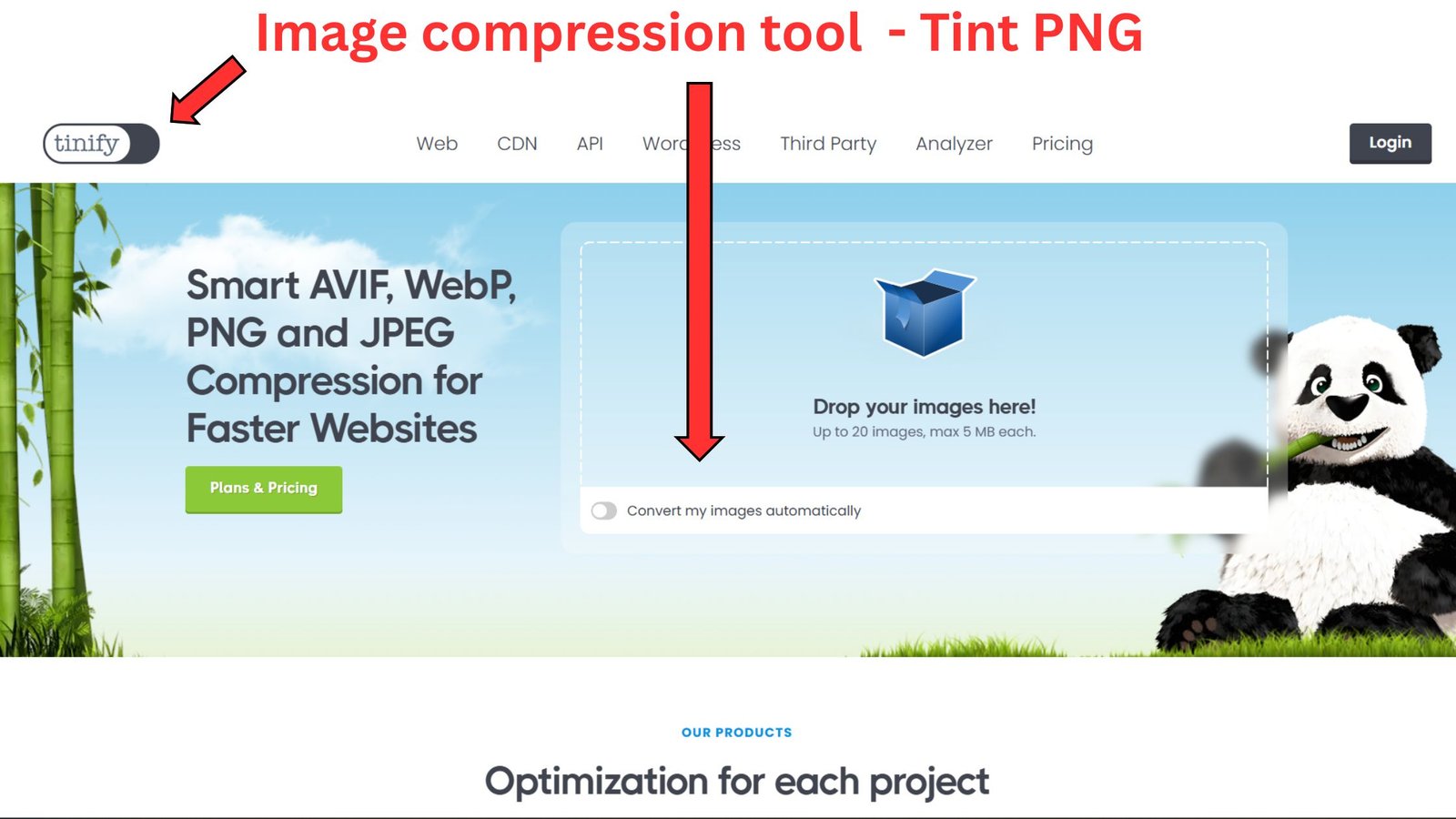
- Compress images – Large images slow down your site. Use free tools like TinyPNG or ShortPixel to reduce file size without losing quality.
- Use descriptive file names – Instead of “ IMG1234.jpg, ” name it “ blog-seo-checklist.jpg ”.
Quick tips for your blog SEO checklist
At least one relevant image with alt text should be included in every post. This enhances SEO while also improving the reading experience for readers, particularly beginners who depend on images for understanding.
Optimizing images is a small step with big results, helping your content rank higher and engage readers more effectively.
Internal and external linking strategies
Internal and external linking strategies are among the most simple yet effective ways to improve your SEO. Appropriate links establish authority and trust by helping search engines in understanding your content and directing readers to important information.
Internal linking – boost your blog authority
Linking to your own posts keeps readers engaged and signals Google that your site is interconnected and valuable. For beginners.
- Link related blog posts naturally within the content
- Use descriptive anchor text like “step by step blog SEO tutorial” instead of generic phrases like “click here”
- Helps readers discover more of your content and stay longer on your site
External linking – credibility matters
Adding links to credible external sources strengthens your post’s reliability
- Reference authoritative websites or studies
- Provide links that support your tips or stats
- Signals to Google that your content is well-researched and trustworthy
Too many links can overwhelm readers and dilute SEO value. Focus on linking,
- A few internal posts per article
- 1-2 highly relevant external sources
By following these on-page SEO tips and link building for beginners, you create a blog that not only ranks higher but also provides a richer, more trustworthy experience for your readers.
Optimizing URLs and blog post structure
Have you ever clicked on a link that appeared to be a random arrangement of numbers and letters? It lacks trust and is confusing. Because of this, URL optimization is an easy yet effective way for beginners to improve both SEO and user experience.
Creating short , keyword rich URLs
A clean, descriptive URL tells both readers and Google what your post is about,
- Include your main keyword naturally
- Keep it short and easy to remember
- EXAMPLE instead of ” www.blog.com/post12345 ” , use ” www.blog.com/optimize-blog-posts-seo “
Formatting best practices
- Use hyphens (-) to separate words
- Stick to lowercase letters to avoid confusion
- Avoid unnecessary numbers or special characters
Why blog post structure matters
The structure of your post works hand-in-hand with URLs for SEO
- A clear hierarchy with H1, H2 and H3 headings improves readability
- Well structured posts help search engines understand your content
- Logical flow keeps readers engaged, reducing bounce rate
Quick tip for your blog post SEO checklist
Each post should have a simple, informative URL that relates to the subject and matches your overall SEO content structure. Your blog will be easier to navigate, rank higher and appear more professional with a well optimized URL and structured layout.
Using SEO plugins and tools for beginners
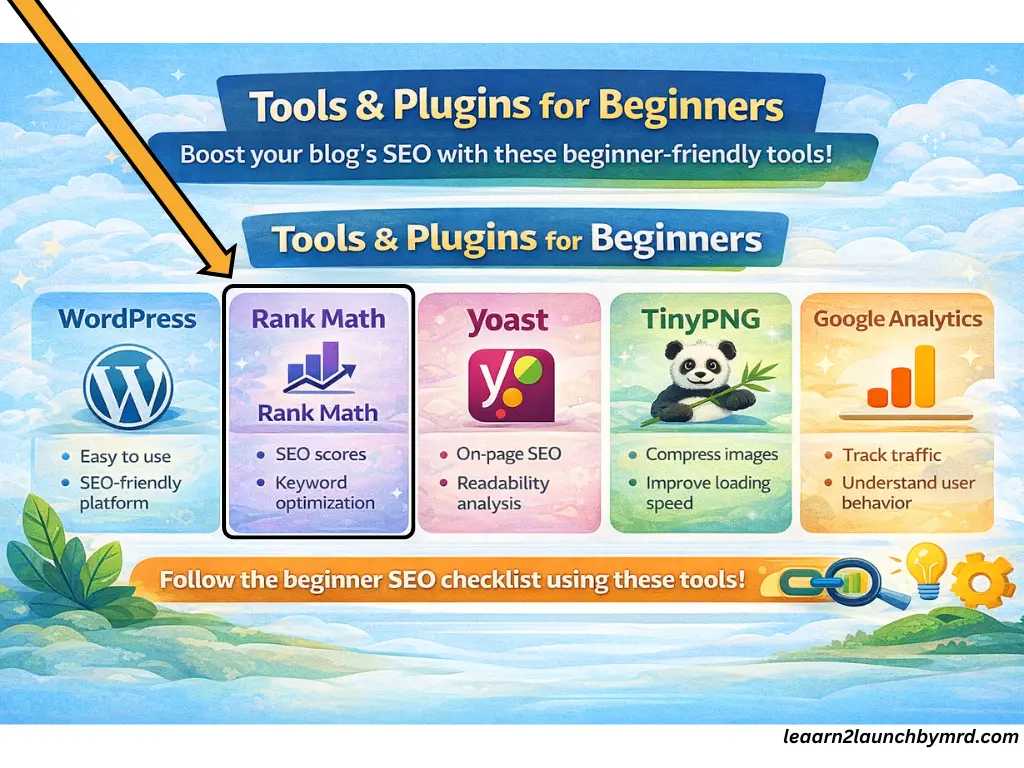
For beginners, SEO can feel overwhelming, but the right tools can make it much easier. Using SEO tools for bloggers helps you follow a beginner SEO checklist optimize posts and track performance without guessing.
SEO-friendly content becomes easier when you use the right tools. Exploring the best content creation tools and strategies can help you improve writing speed, structure posts better, optimize images, and maintain consistency, all of which contribute to better SEO performance over time.
Leverage WordPress SEO plugins
Plugins like RankMath and Yoast are beginner friendly ways to optimize your blog posts,
- They guide you through on page SEO tips including keyword placement, headings and meta descriptions.
- RanMath provides a clear SEO score and readability analysis , showing you exactly what needs improvement.
- You can subtly integrate keywords while following plugin recommendations without overthinking.
Check readability and SEO score
- Make sure sentences are short and easy to read
- Make sure sentences are short and easy to read
- Optimize meta titles and descriptions based on plugin suggestions
Monitor your post performance
Most plugins let you track basic metrics and suggest improvements,
- Check which posts are ranking for your target keywords
- Monitor clicks, impressions and CTR to see what resonates with readers
- Adjust content over time to improve rankings
Using SEO tools for bloggers like Rank Math isn’t just about following rules it’s about building a trustworthy blog that Google and readers can rely on. By following this beginner SEO checklist , you make sure every post is optimized, readable and ready to rank.
SEO optimization doesn’t require expensive tools or a large budget. Many beginners successfully rank by following best practices early. If you’re starting out, learning how to start a high quality blog on a budget ensures your foundation hosting, themes and SEO setup is optimized from day one.
Common SEO mistakes beginners should avoid
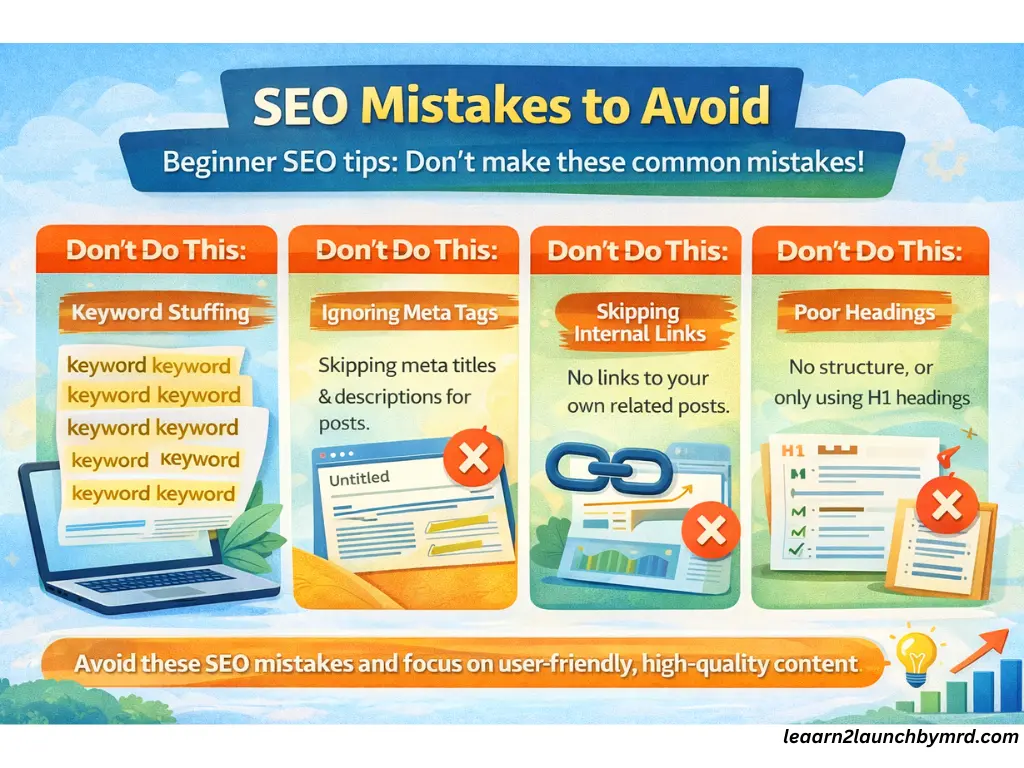
Even the best bloggers make mistakes when starting out, but knowing what to avoid can save you time and frustration. Here are some common SEO mistakes new bloggers make,
- Keyword stuffing – Overloading your content with keywords makes it unreadable and can hurt your rankings.
- Ignoring meta tags – Skipping meta titles and descriptions reduces your post’s visibility in search results.
- Skipping internal links or headings – Without proper structure, your content is harder to navigate for readers and Google.
Quick beginner friendly SEO tips
- Use keywords naturally in headings and sentences
- Always add meta titles and descriptions for every post
- Link to relevant internal and external content to build authority
By avoiding these pitfalls, your blog becomes more readable, credible and better positioned to rank higher in search results.
Optimizing blog posts is only one part of growth. SEO works best when combined with smart promotion. Learning how to get traffic to a new blog helps you amplify your optimized content through search, social platforms and internal links, accelerating results even as a beginner.
Frequently asked questions on how to optimize blog posts for SEO beginners
What is the best way to optimize blog posts for SEO as a beginner?
The best way to optimize blog posts for SEO beginners is to follow a step-by-step approach, choose the right keywords, write an SEO friendly title and meta description, structure content with headings add images with alt text, link internally and externally and use an SEO plugin like Rank Math to check readability and on page SEO.
How do I find the right keywords for my blog post?
Start with keyword research for beginners using free tools like Google Keyword Planner, Ubersuggest, or AnswerThePublic. Look for long-tail keywords with low competition and high relevance to your topic. Include the main keyword in your title, headings and naturally throughout the content.
How long should a blog post be to rank well on google?
For beginners, aim for 2,000–2,500 words per post. This allows you to cover the topic in detail, including keywords, naturally added headings, bullet points, images and internal / external links all of which improve readability and SEO performance.
What are the most common SEO mistakes new bloggers make ?
Common mistakes include keyword stuffing, ignoring meta titles and descriptions, skipping internal links and using poor formatting. Following a beginner friendly SEO checklist and using tools like Rank Math can help avoid these errors and improve your blog’s ranking.
Do I need an SEO plugin to optimize my blog posts?
While it’s possible to optimize posts manually, using a WordPress SEO plugin like Rank Math or Yoast makes it easier for beginners. These tools provide guidance for on page SEO, readability scores, meta descriptions and internal linking suggestions, helping your blog follow SEO best practices.
You’ve now learned the essential steps in this step by step blog SEO tutorial to grow your blog and attract the right audience. From understanding SEO basics to optimizing titles, content, images, links and URLs, every action matters.
Here is how to take action today ,
- Review your existing posts and apply these beginner friendly SEO tips
- Ensure each new post follows proper structure, headings, meta descriptions and keyword placement
- Use tools like Rank Math to check readability and SEO score
- Avoid common mistakes like keyword stuffing and missing internal links
Remember, learning how to optimize blog posts for SEO beginners is a process. Start small, implement consistently and watch your traffic grow. Take your first step now, update one post today, and let it become your SEO success story
SEO success doesn’t come from shortcuts, it comes from consistently writing SEO friendly blog content that solves real problems for real readers. When you focus on clarity, structure and intent, you’ll start to see how to improve blog post SEO fast without feeling overwhelmed. Most growth happens when you stop repeating common SEO mistakes new bloggers make and start optimizing with purpose. Understanding on page SEO vs off page SEO helps you prioritize what truly moves the needle at each stage. Keep refining, keep learning and trust that every optimized post compounds into long term authority and traffic.